Today marked the official end of our cruise as we returned to Buenos Aires—a moment that felt both satisfying and a little bittersweet. We truly loved the ship, the incredible food, and all the thoughtful personal touches that made the experience so special.
We disembarked around 9:15 am and were met by our driver and guide, Alejandro, along with Agustina, who took us on a short city tour before our evening flight. Agustina showed us several different neighborhoods, giving us time to get out, explore, and take photos along the way.
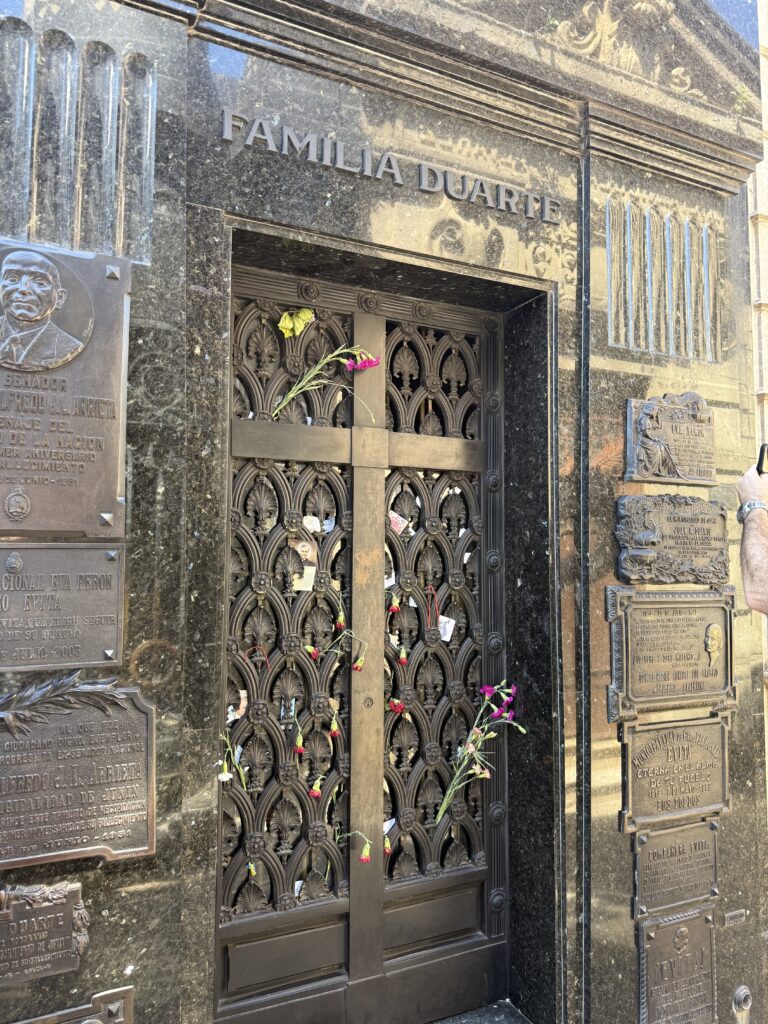
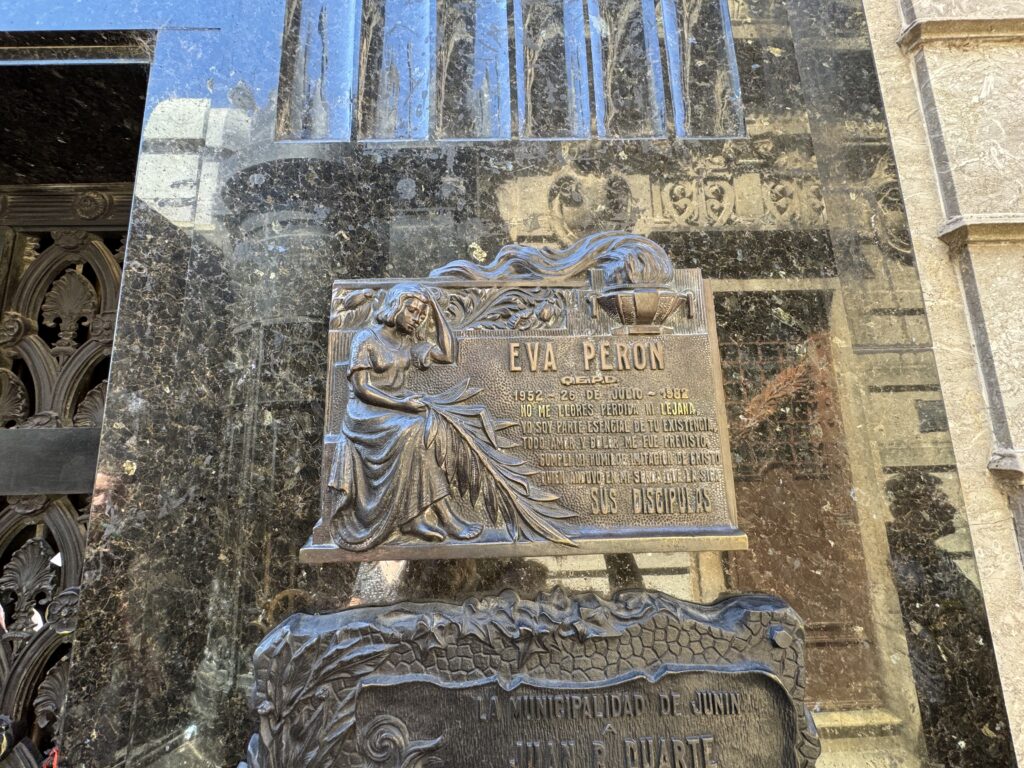
One of our stops was the Recoleta Cemetery, where she pointed out the tomb of Eva Perón. Even after having seen it before, it’s still an astonishing place—beautiful, historic, and incredibly moving.
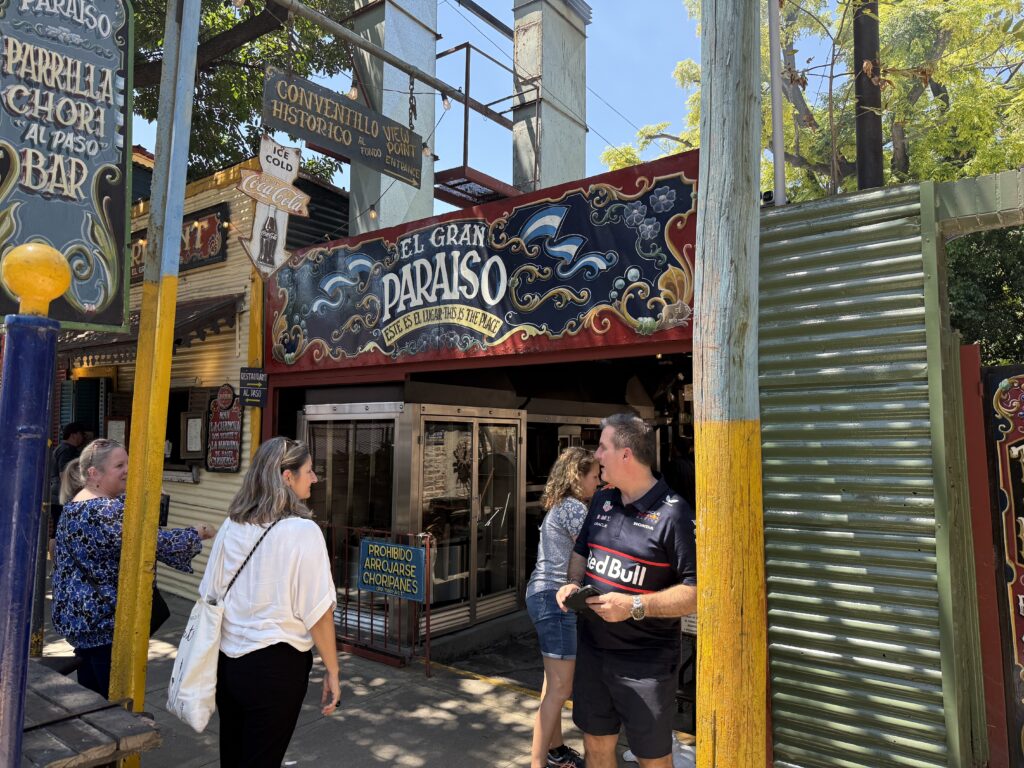
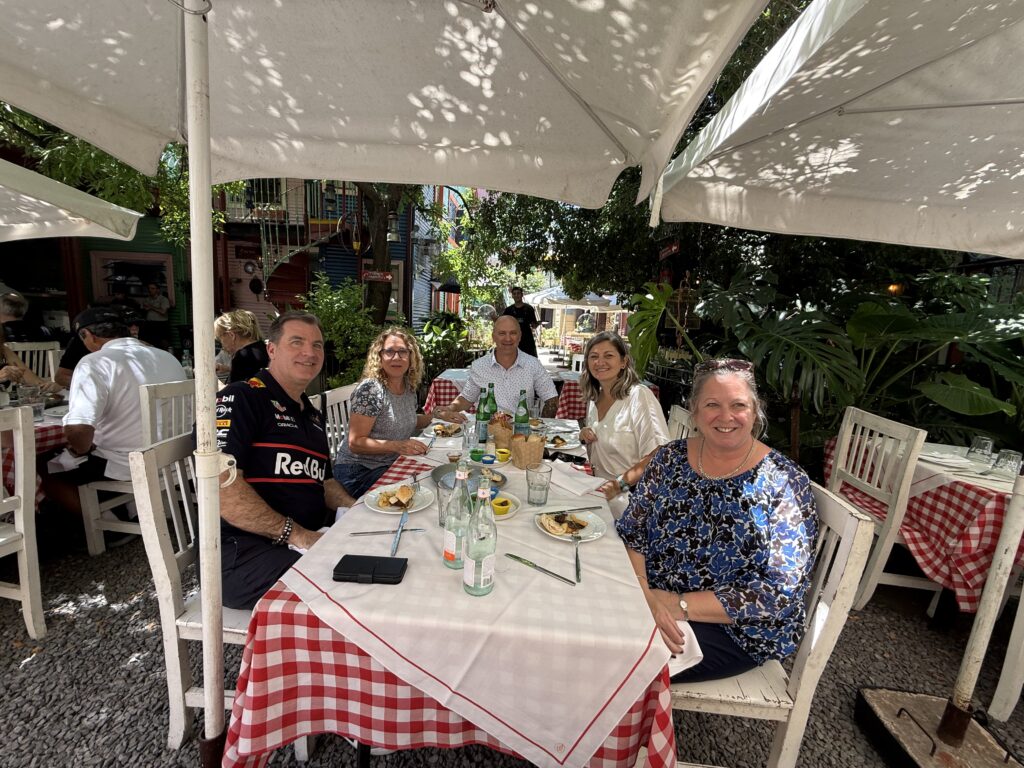
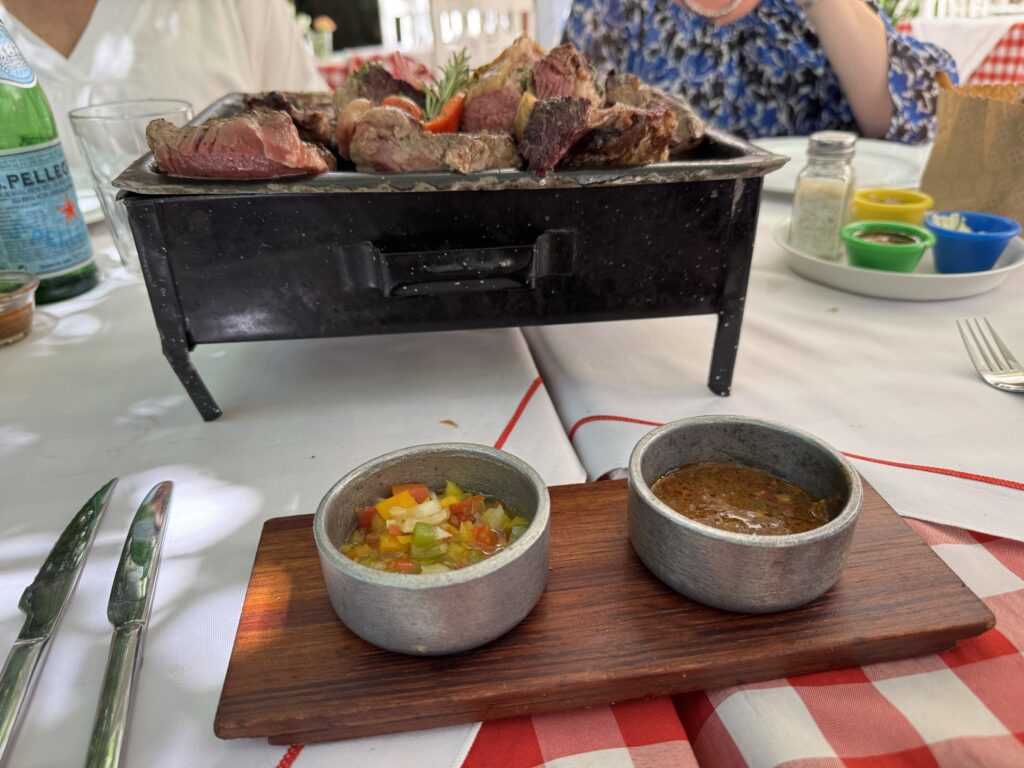
For lunch, Agustina brought us to Gran Paraíso, where we enjoyed yet another feast. The table was filled with a variety of meats, empanadas, and salad—and somehow, the steak was even better than what we’d had the day before. Argentina continues to set the bar very high when it comes to food.
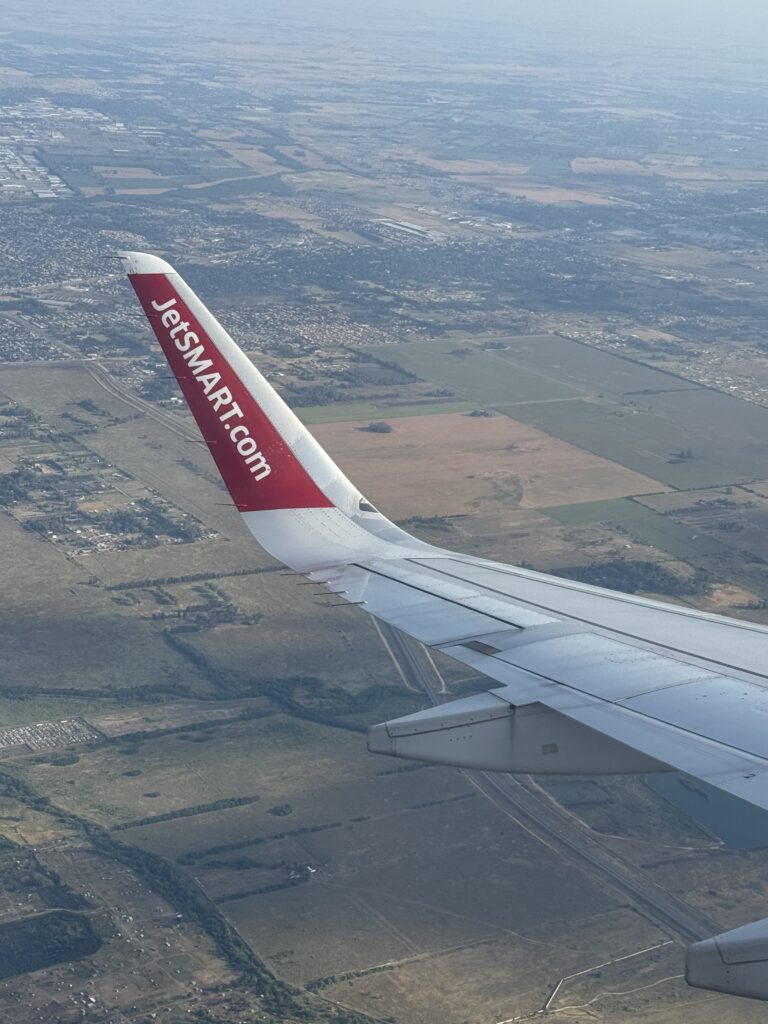
After a bit more wandering around the city, it was time to head to the airport for our flight from Buenos Aires to Puerto Iguazú, where we’ll be visiting the famous falls tomorrow.
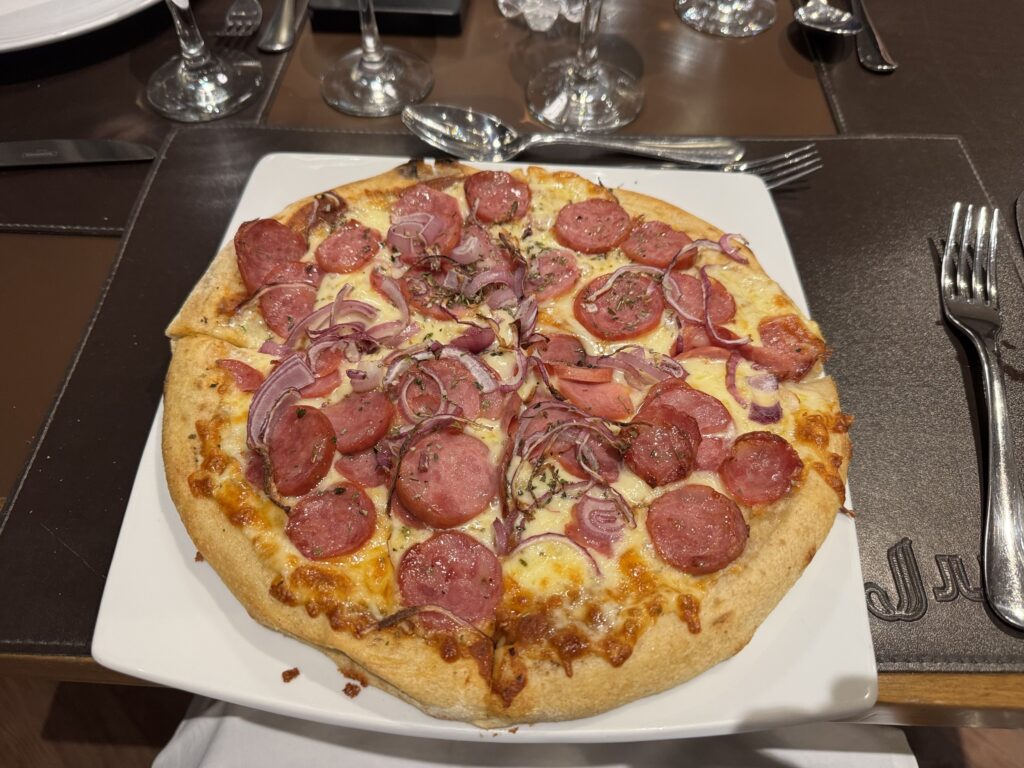
Once we landed, we were picked up and driven to the Brazil border, then transferred to a second vehicle with Antonio, our driver, and Eduardo, our guide, who took us to the JL Hotel. We grabbed a quick bite at the hotel restaurant, took showers, and called it an early night—tomorrow will be a very early morning.
Another chapter closes, and an exciting new one begins… 🌿✨
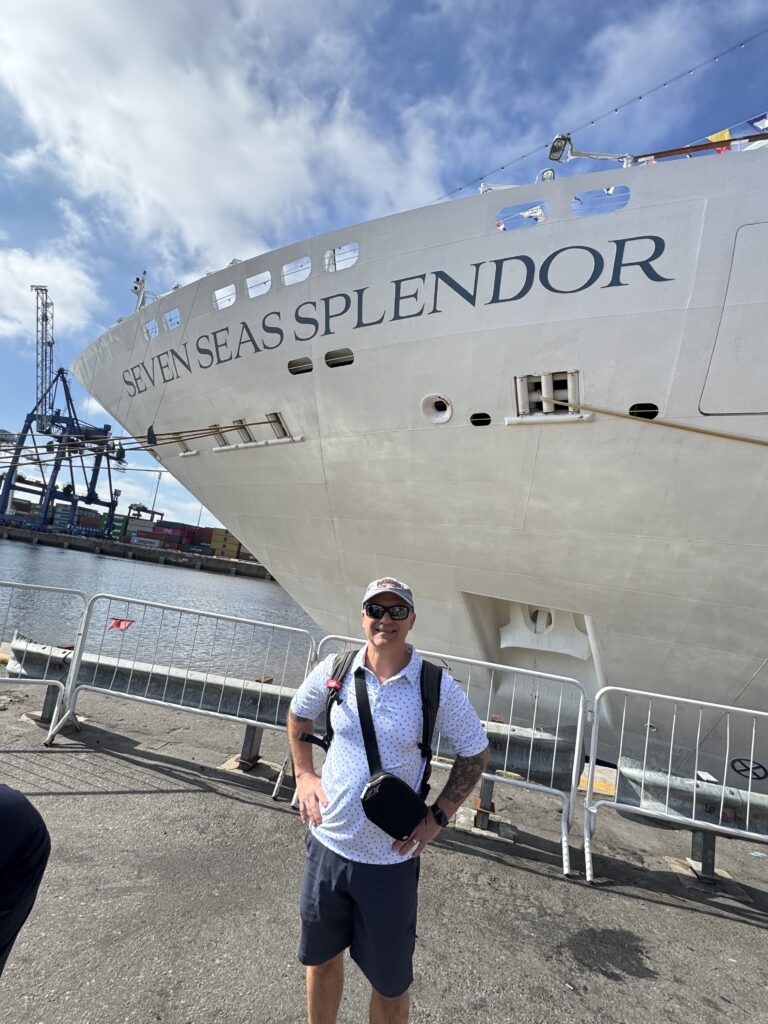
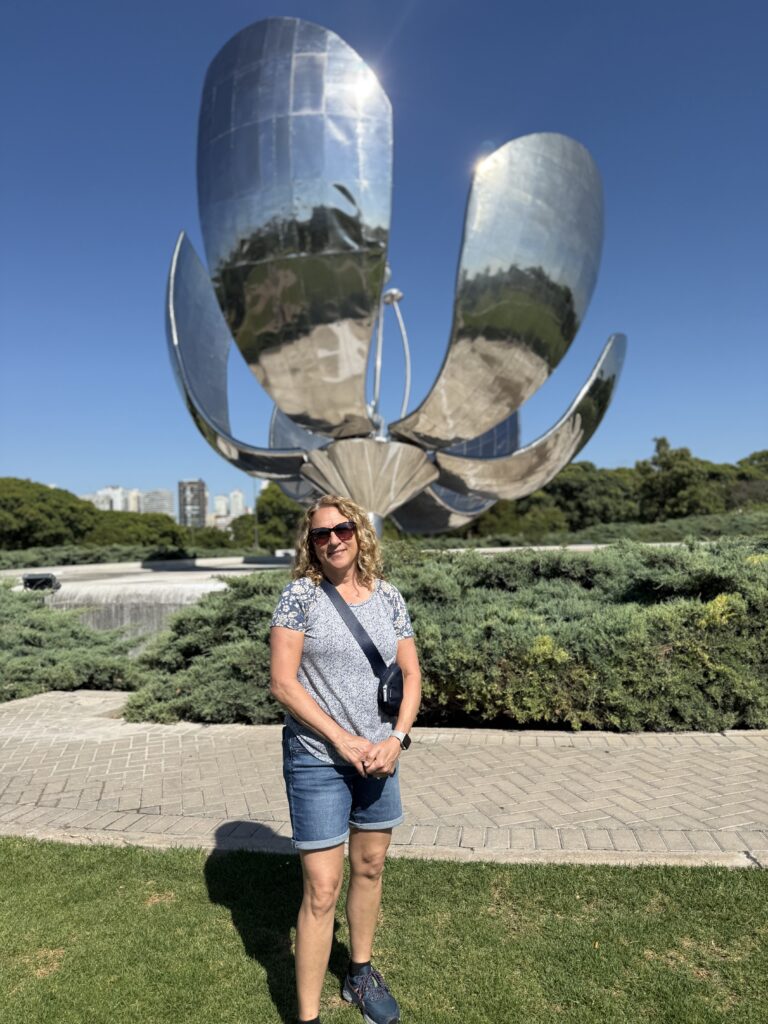
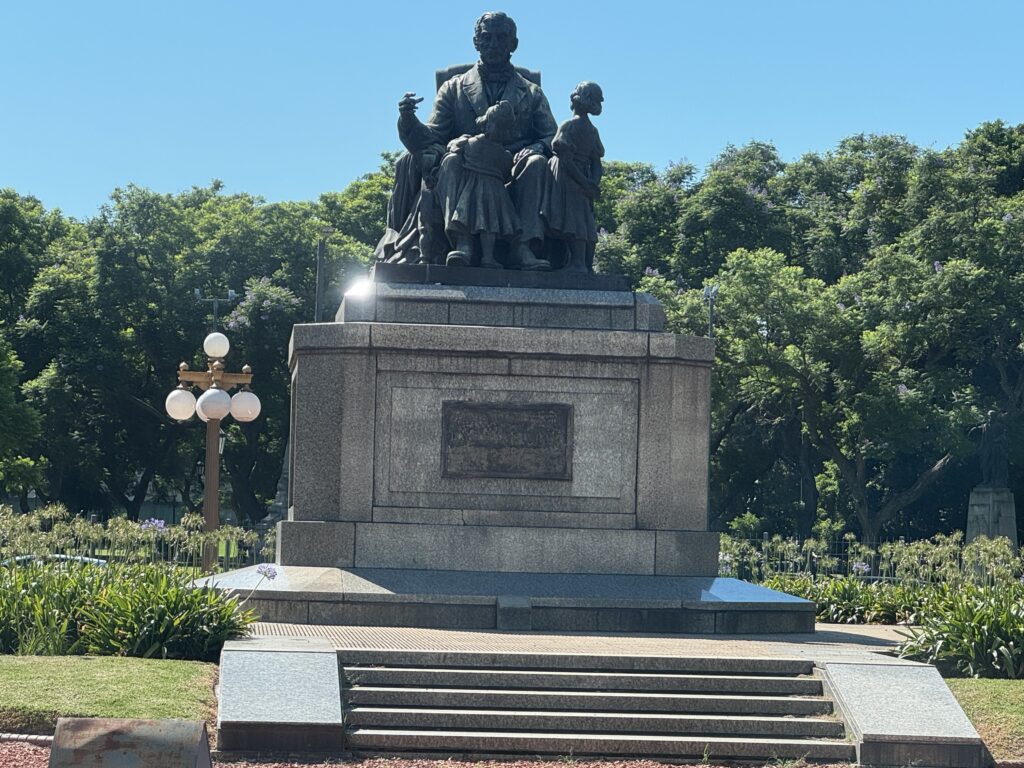
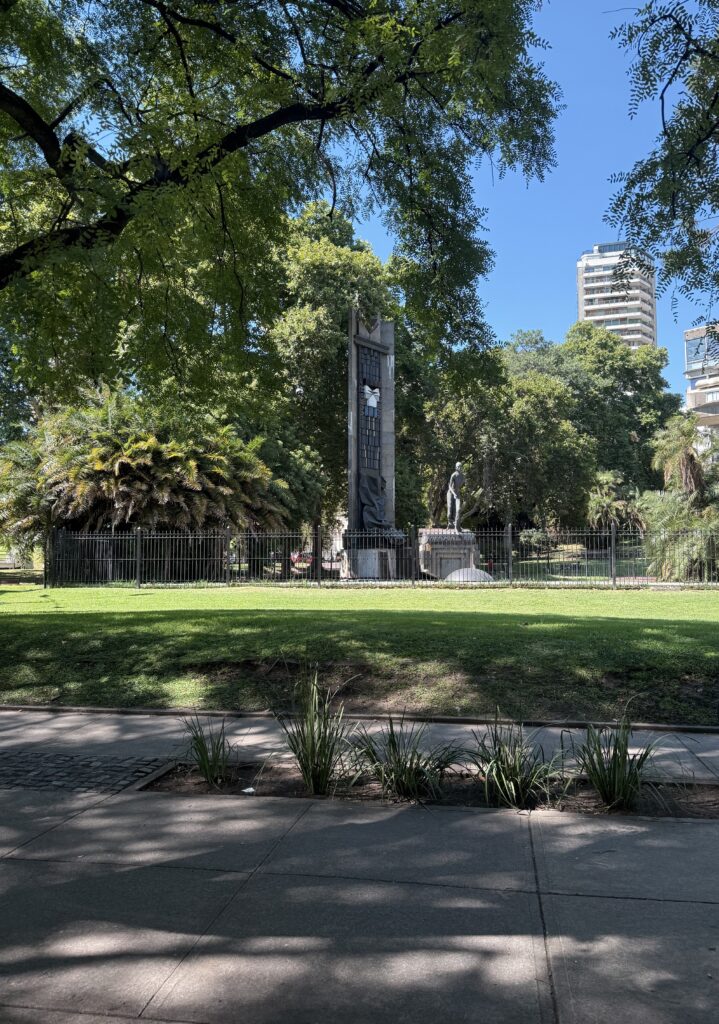
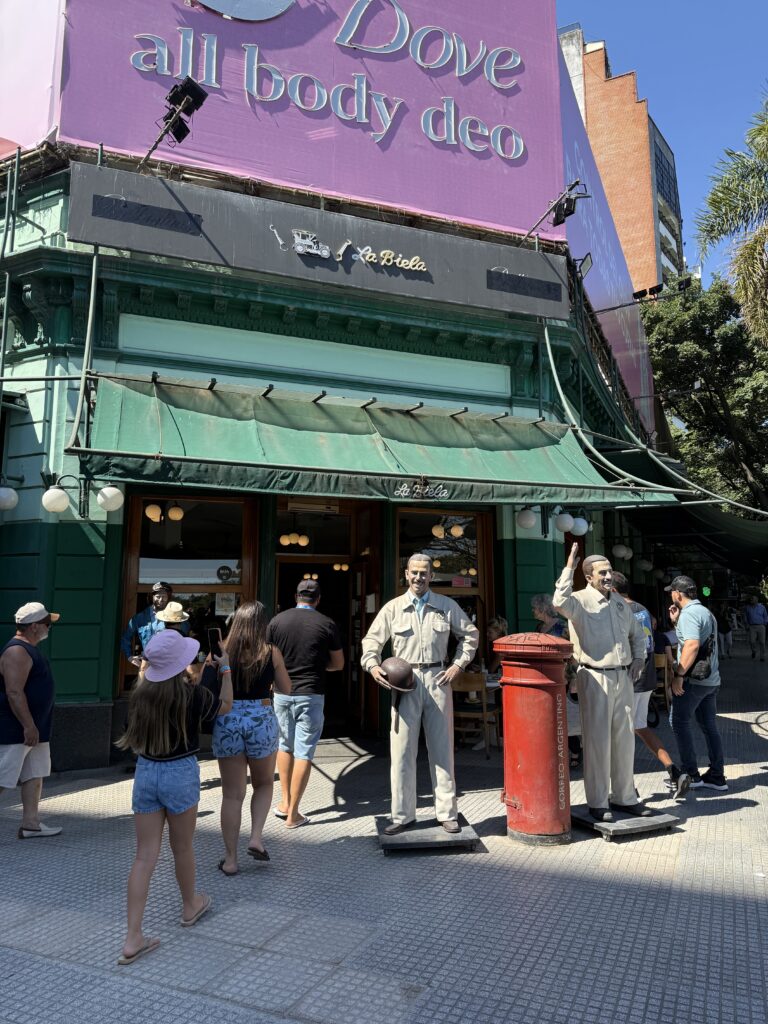
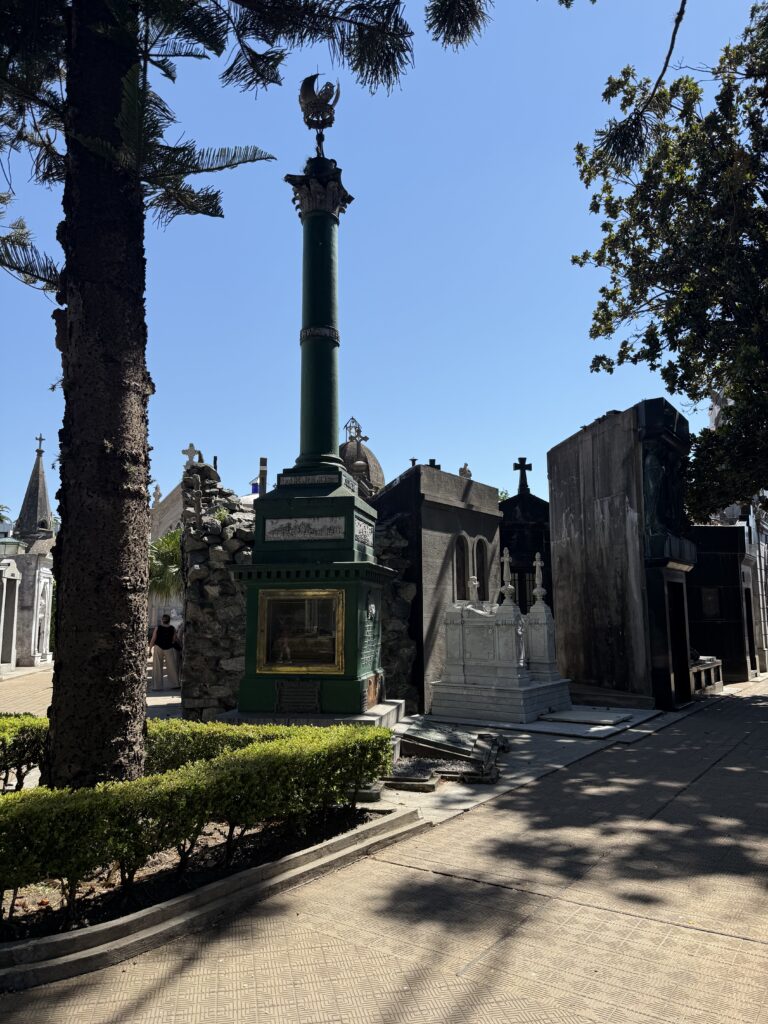
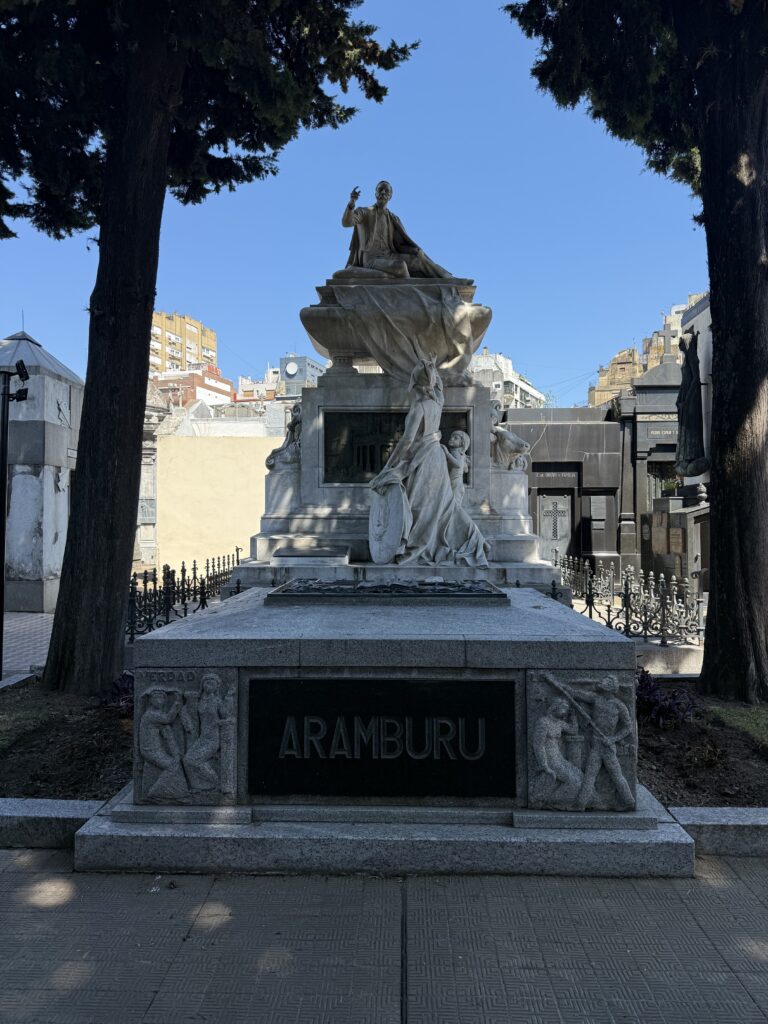
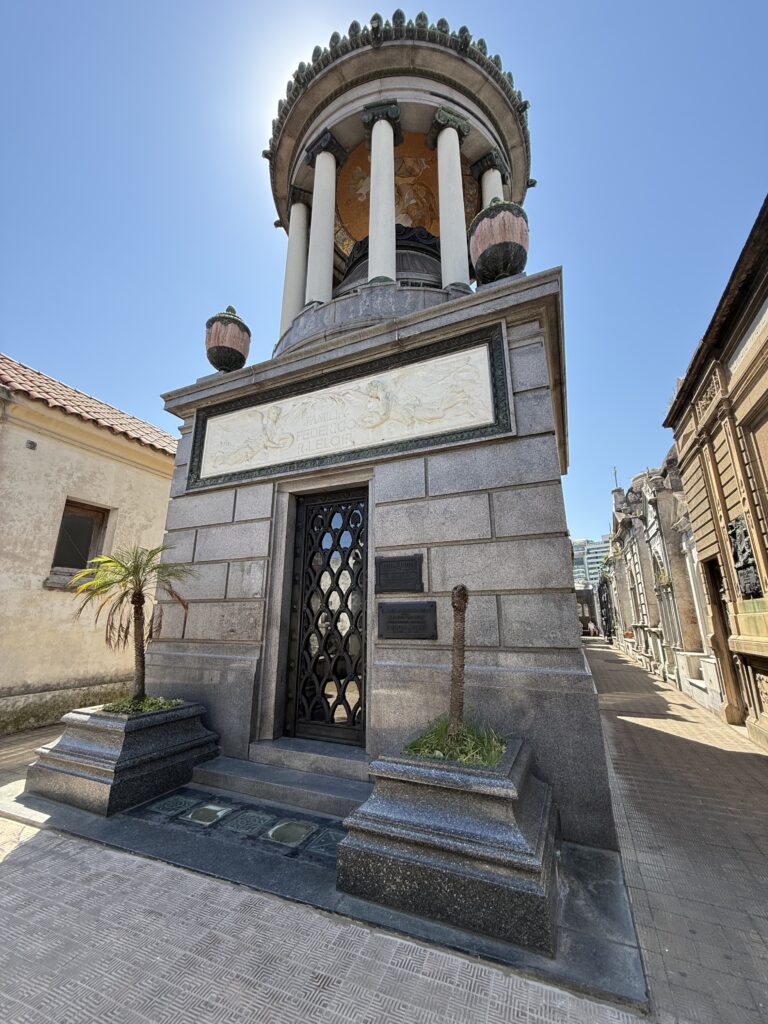
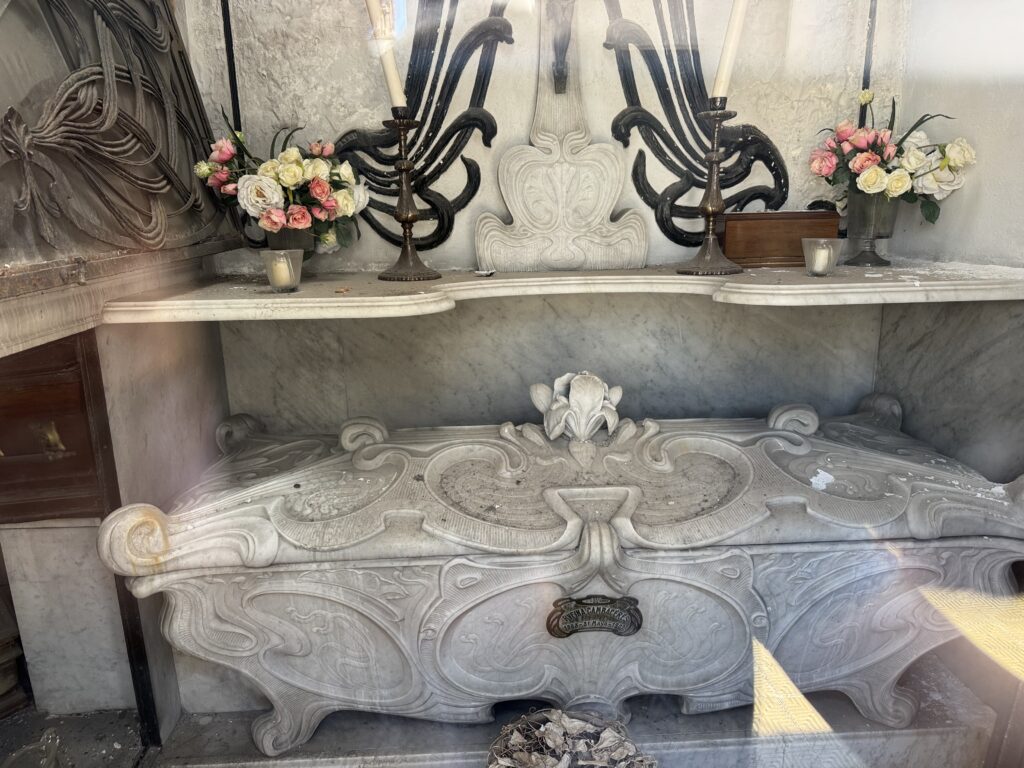
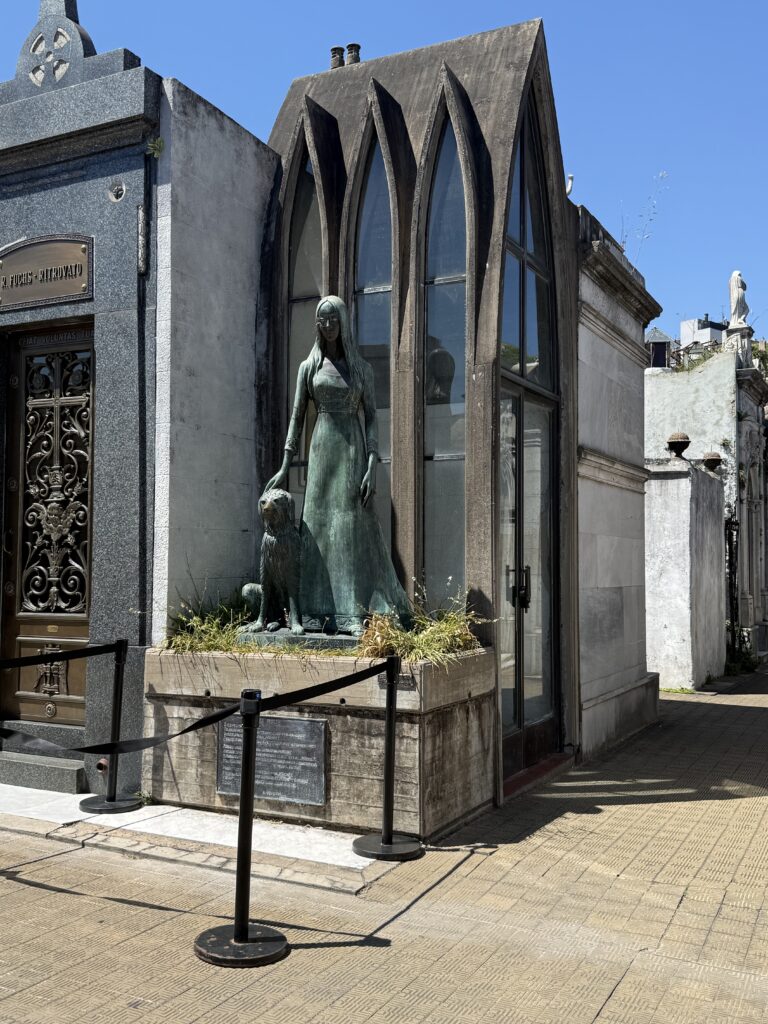
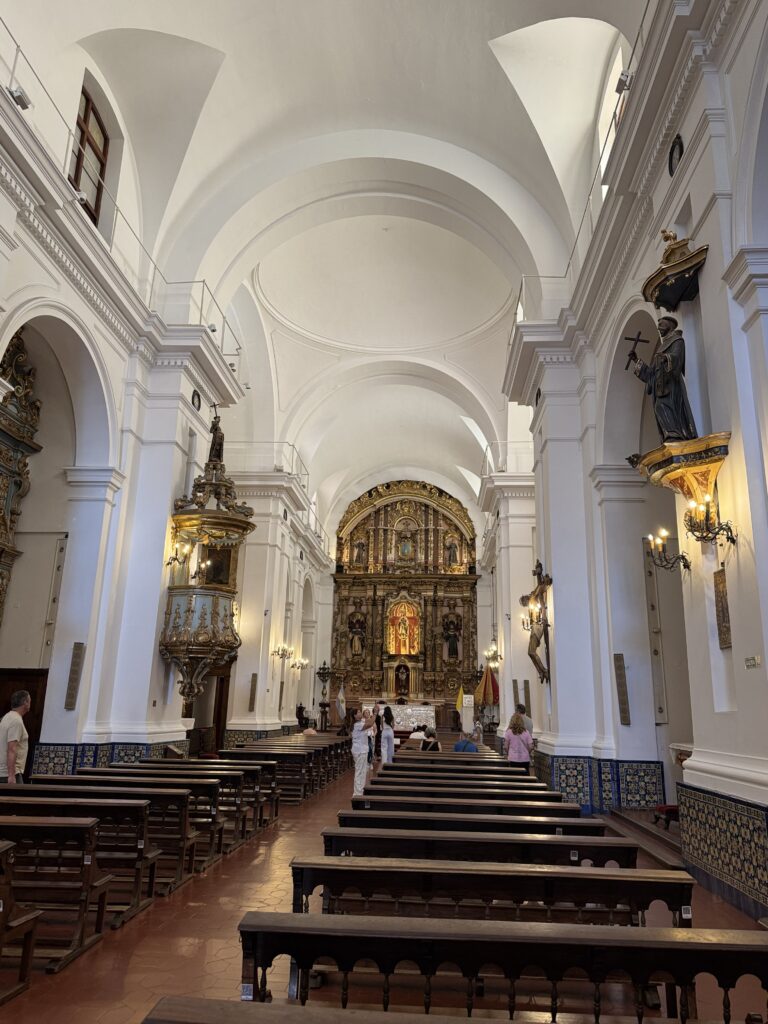
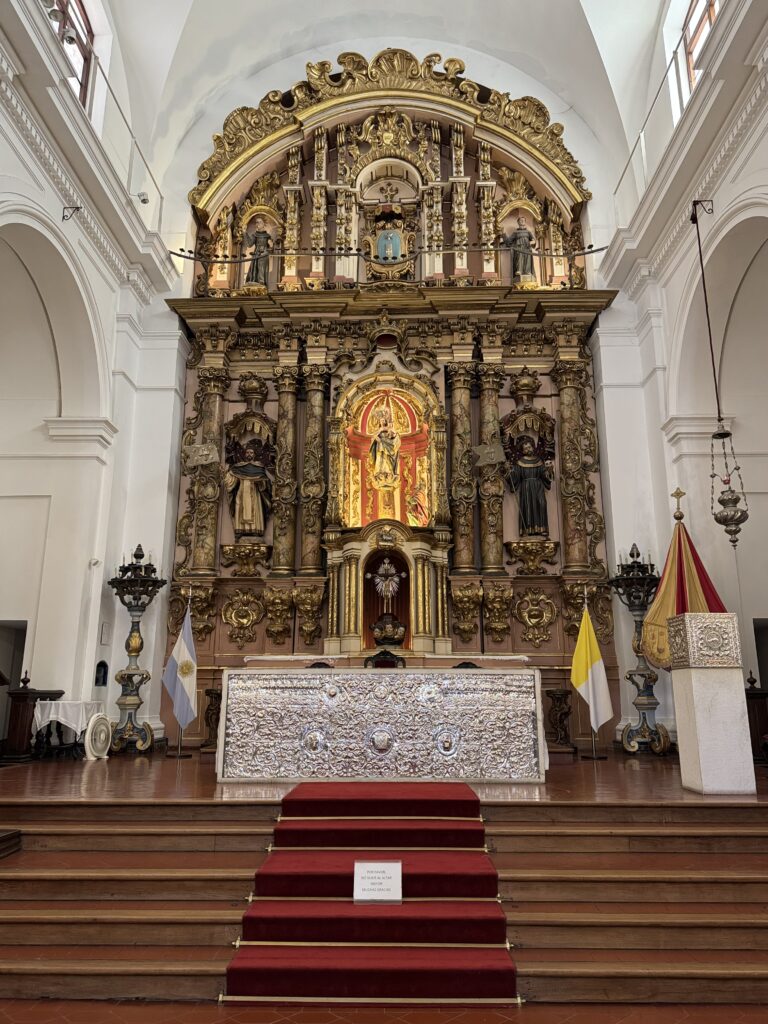
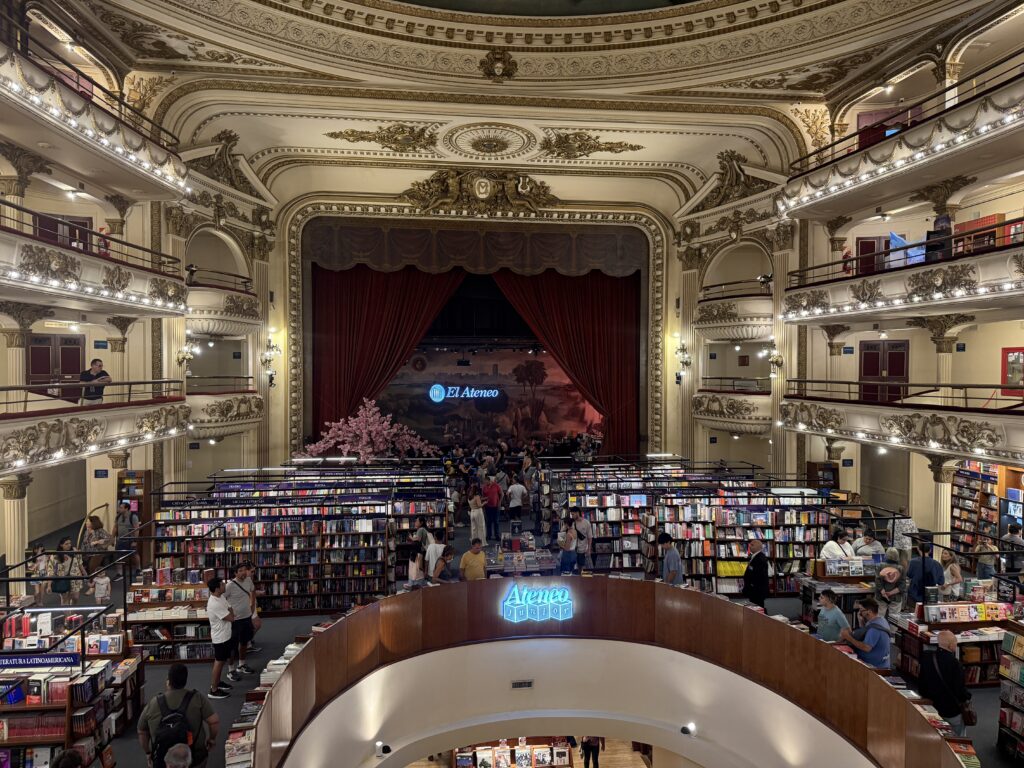
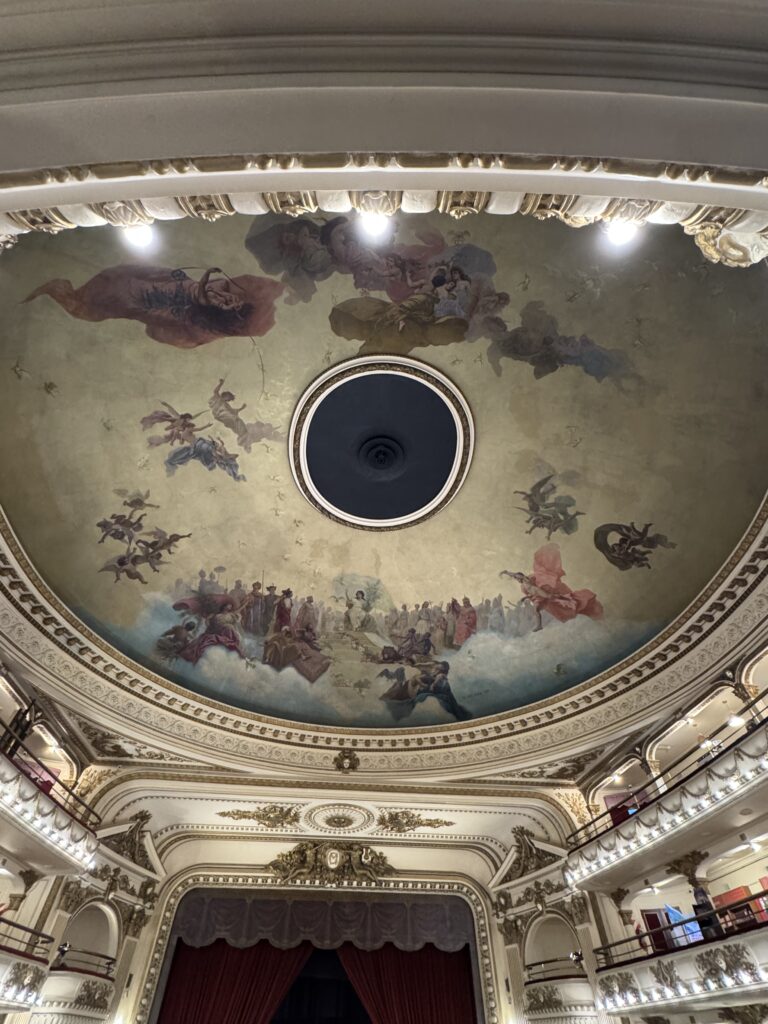
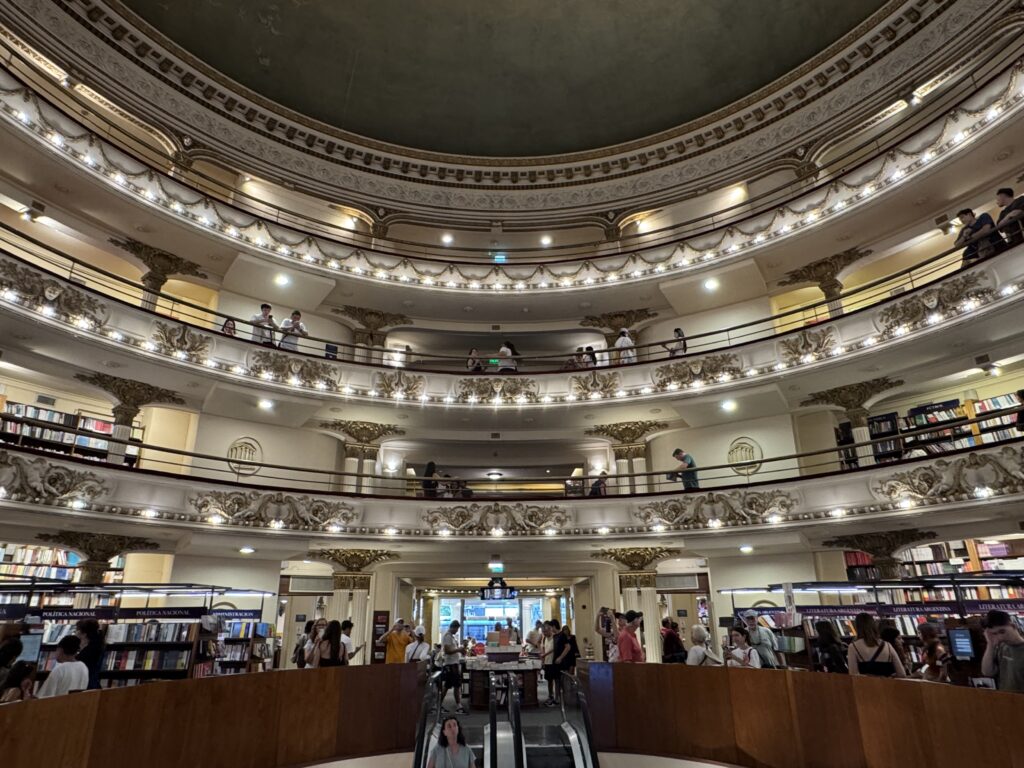
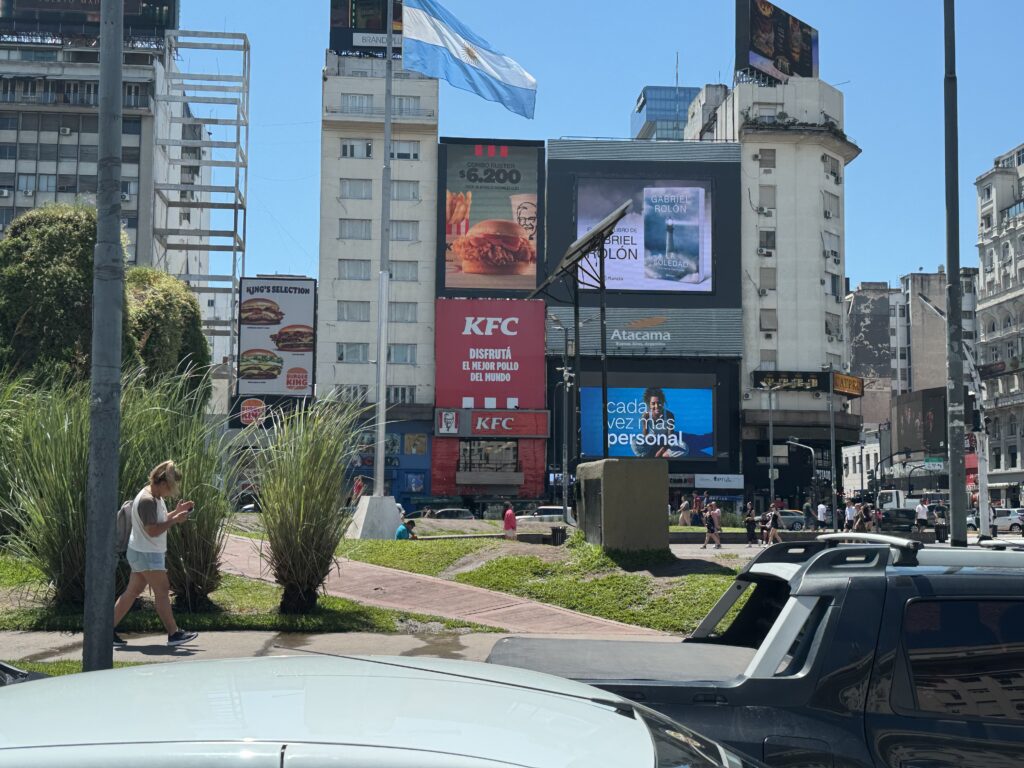
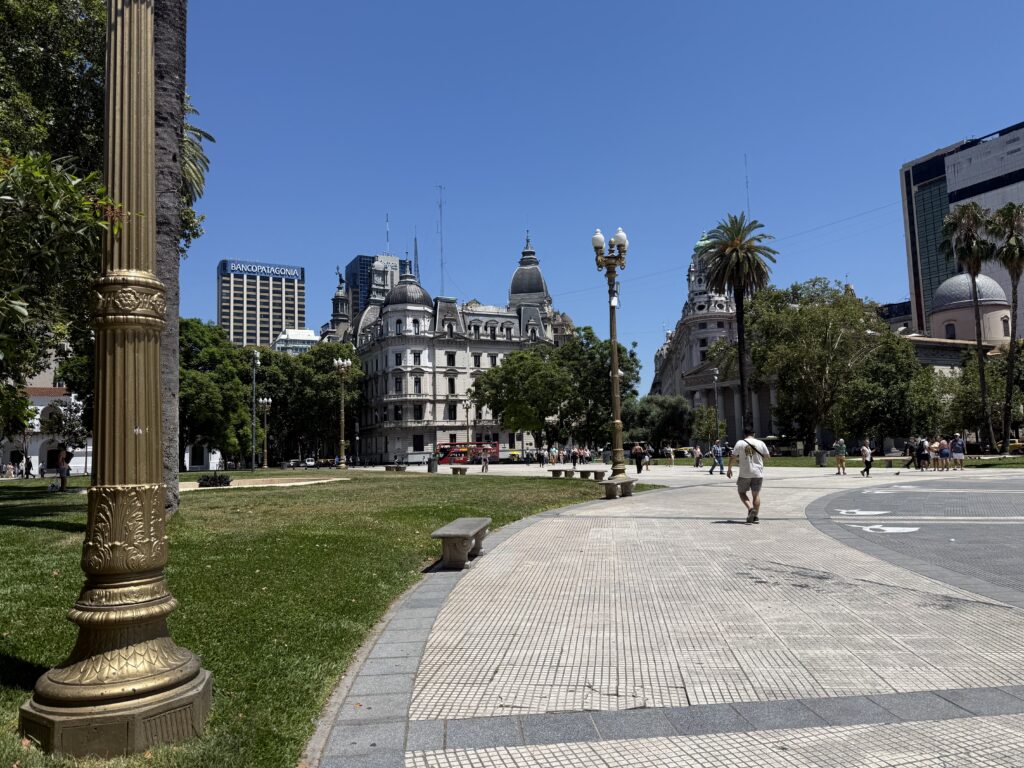
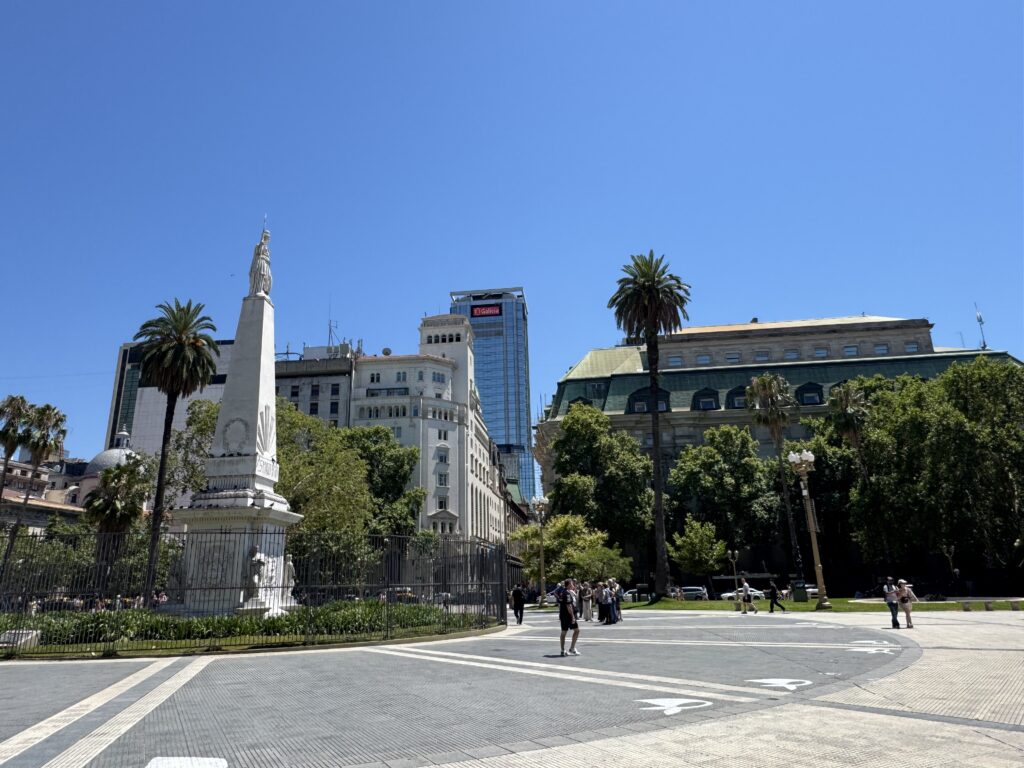
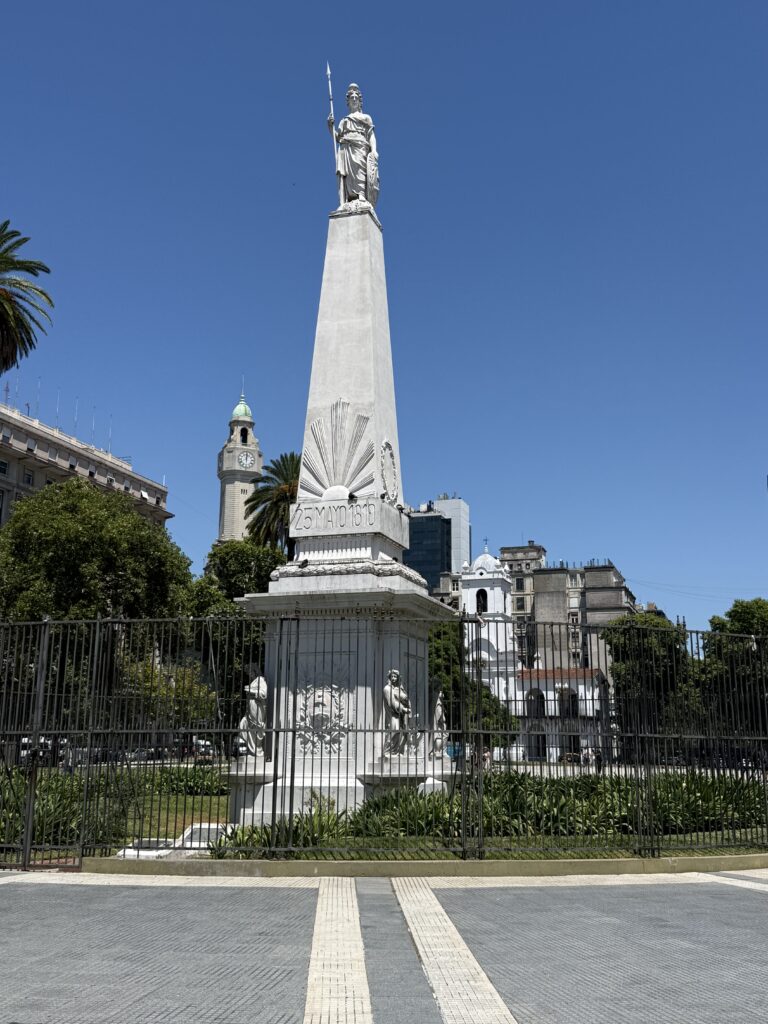
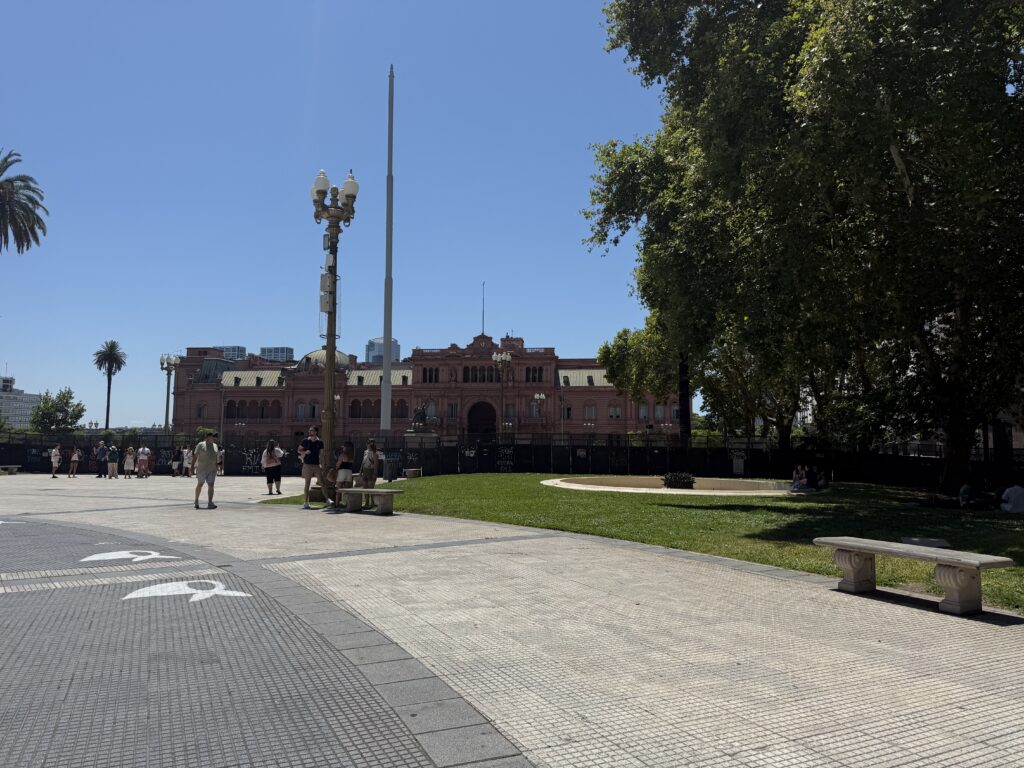
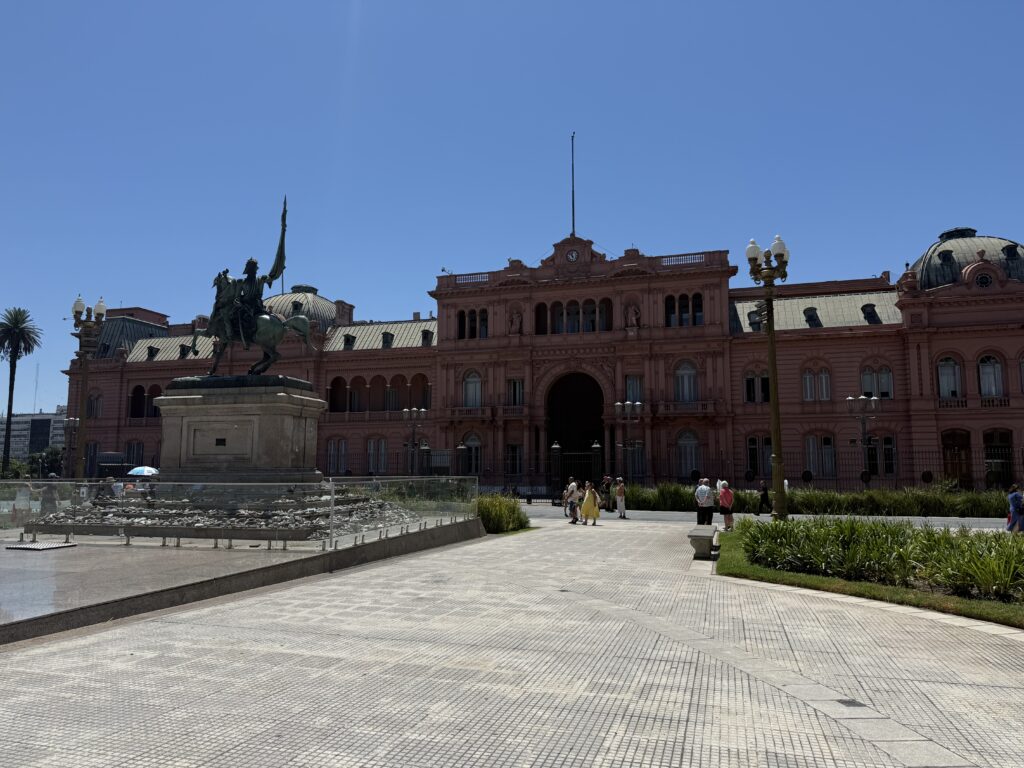
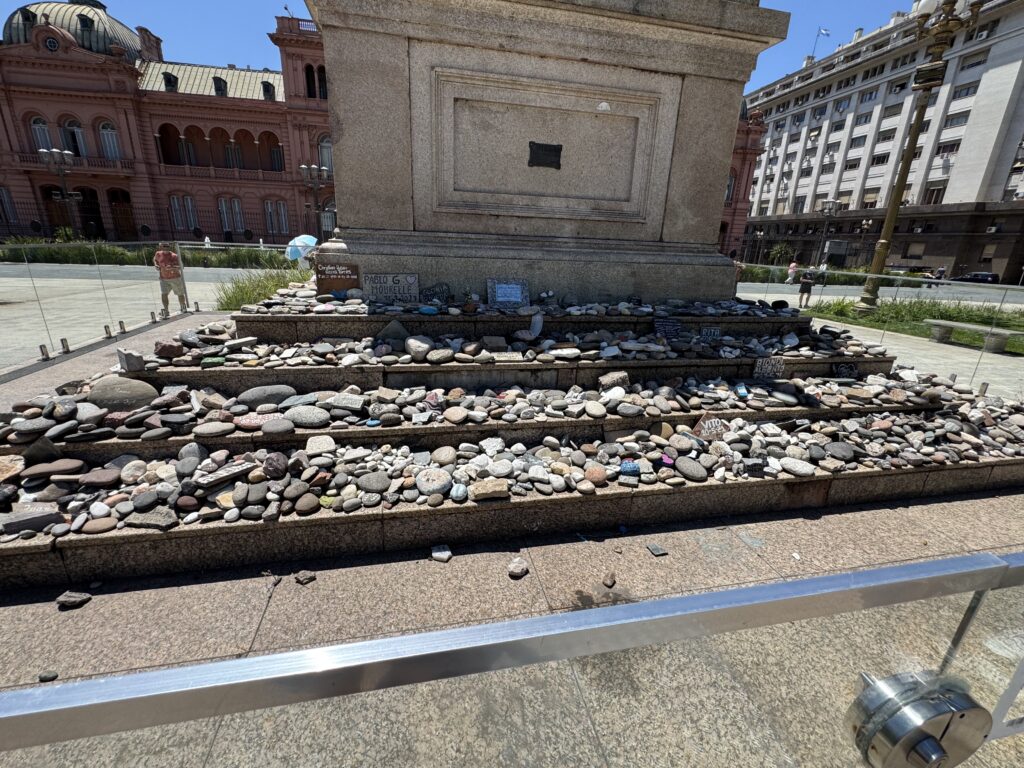
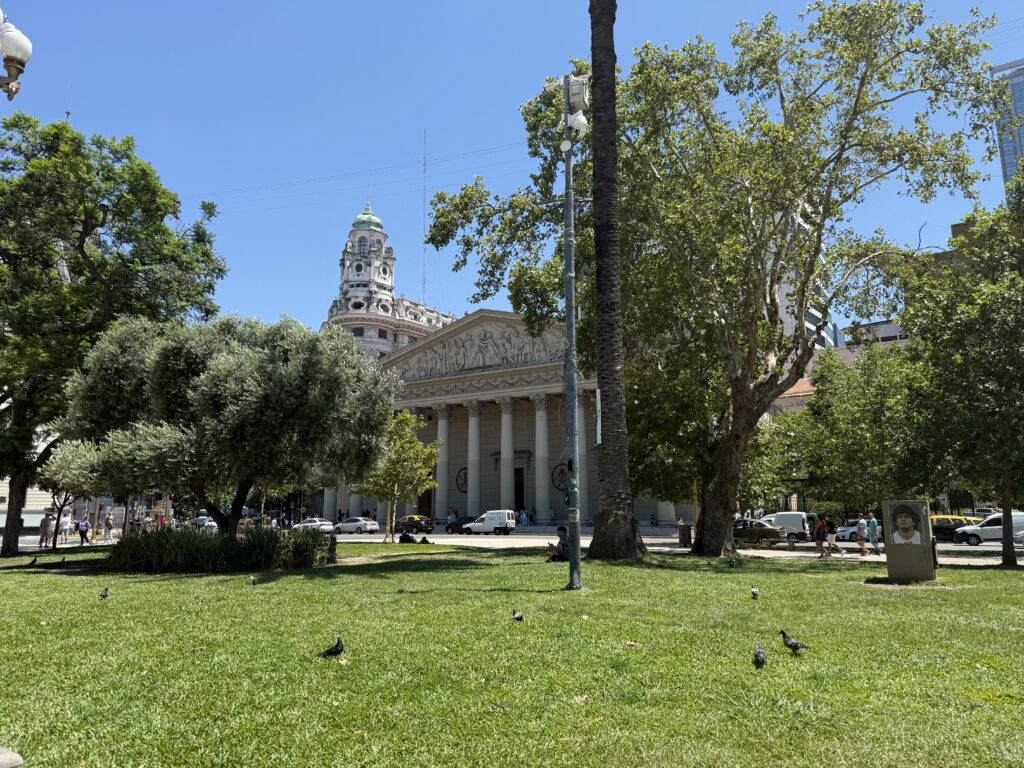
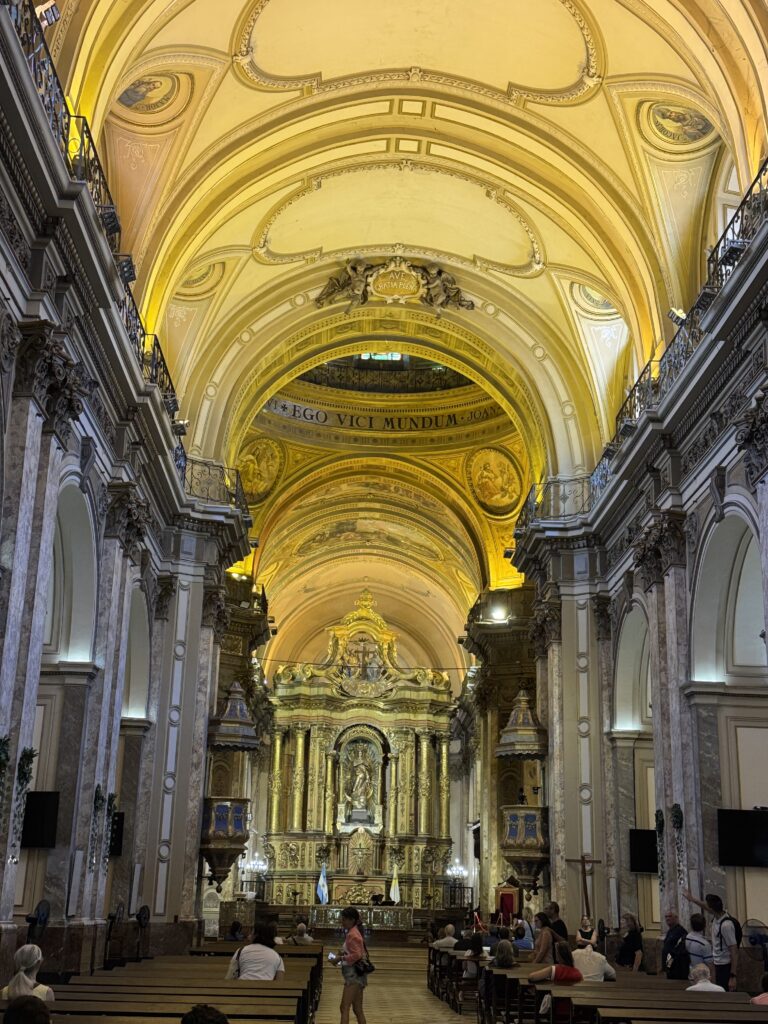
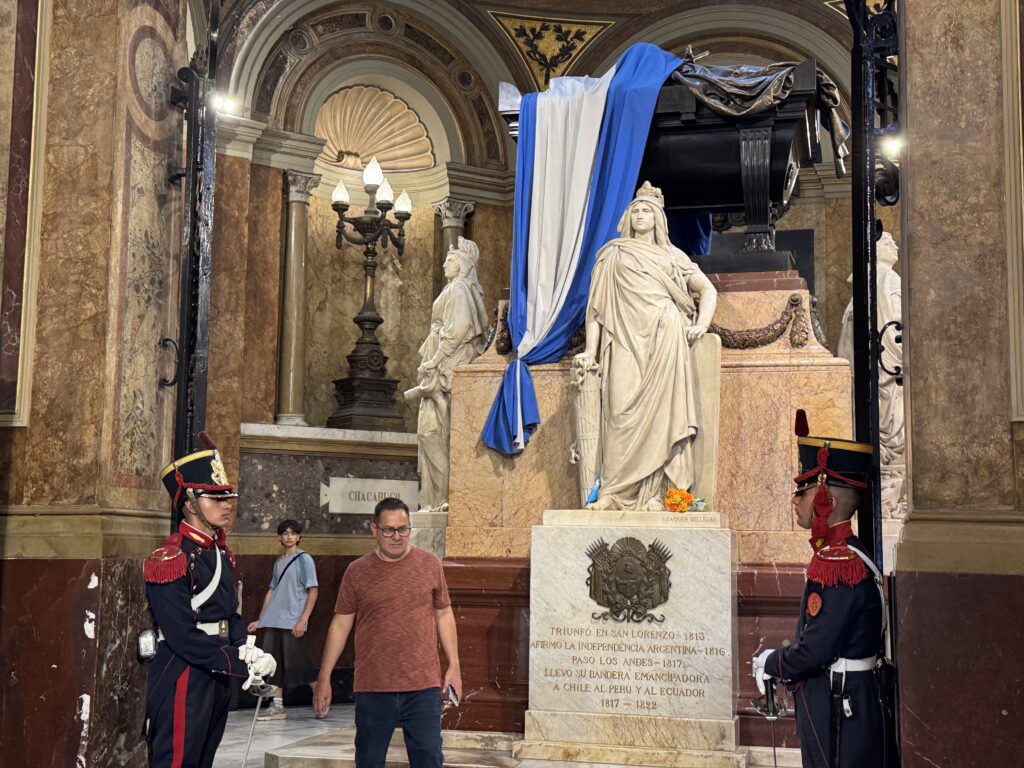
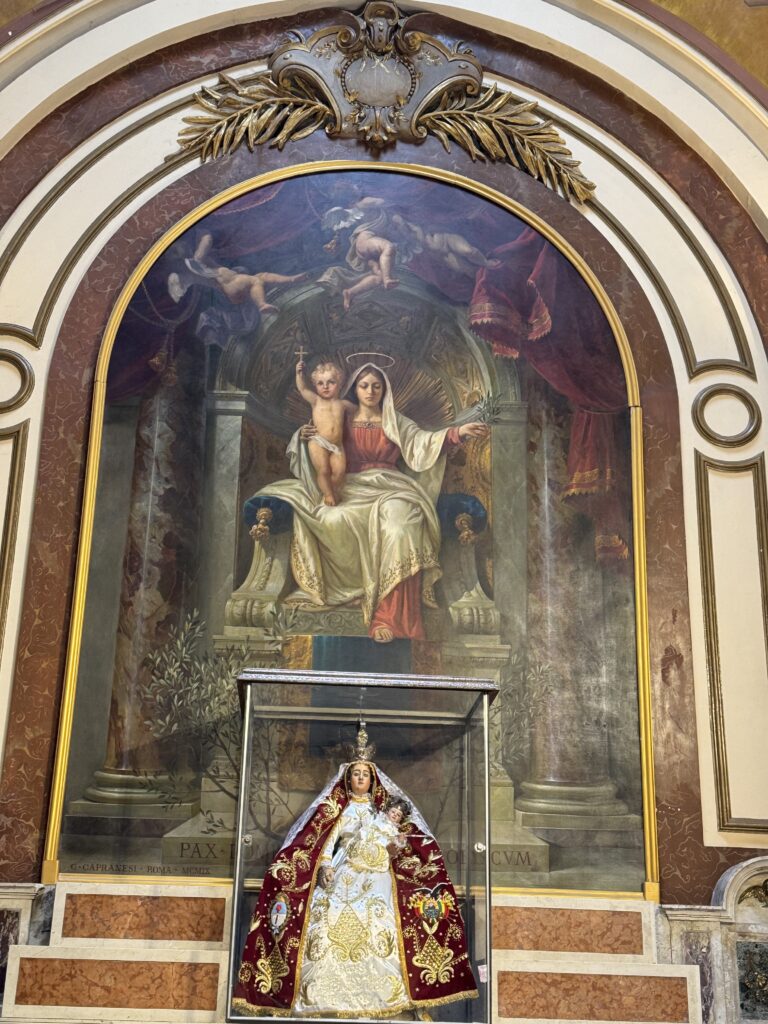
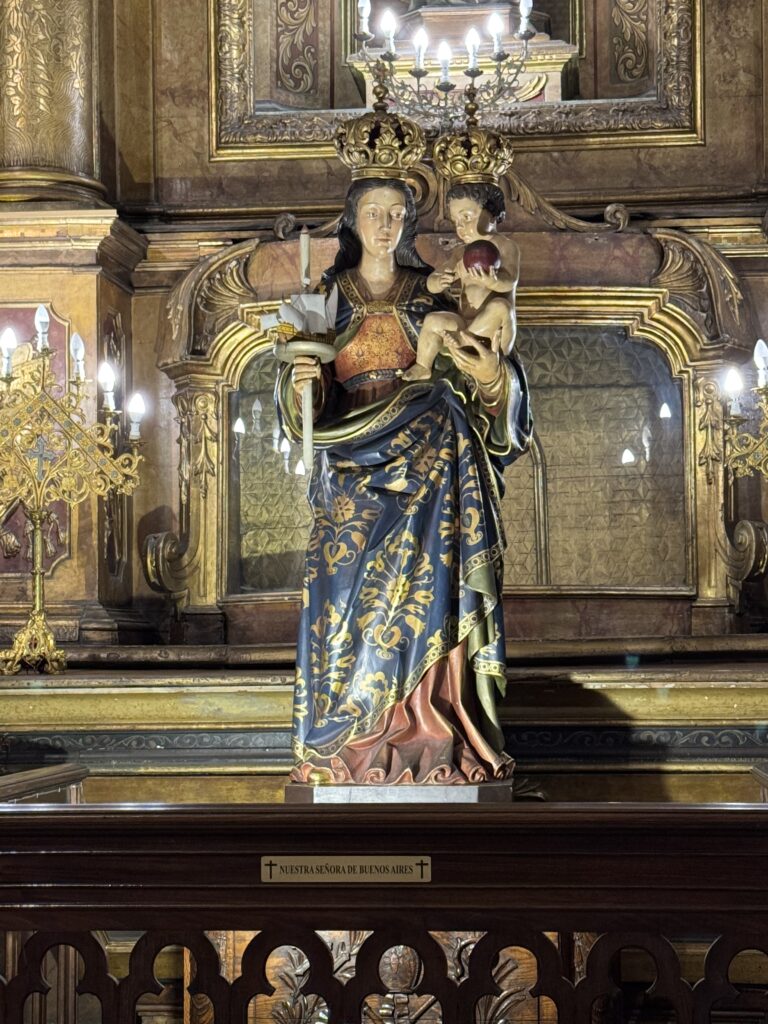
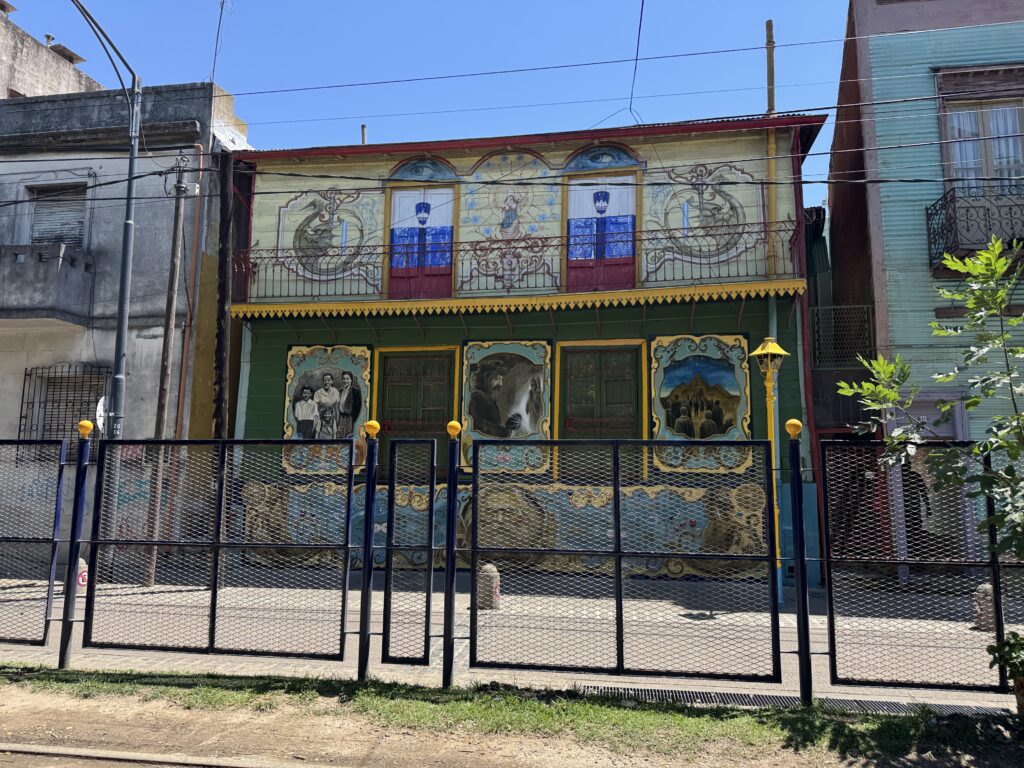
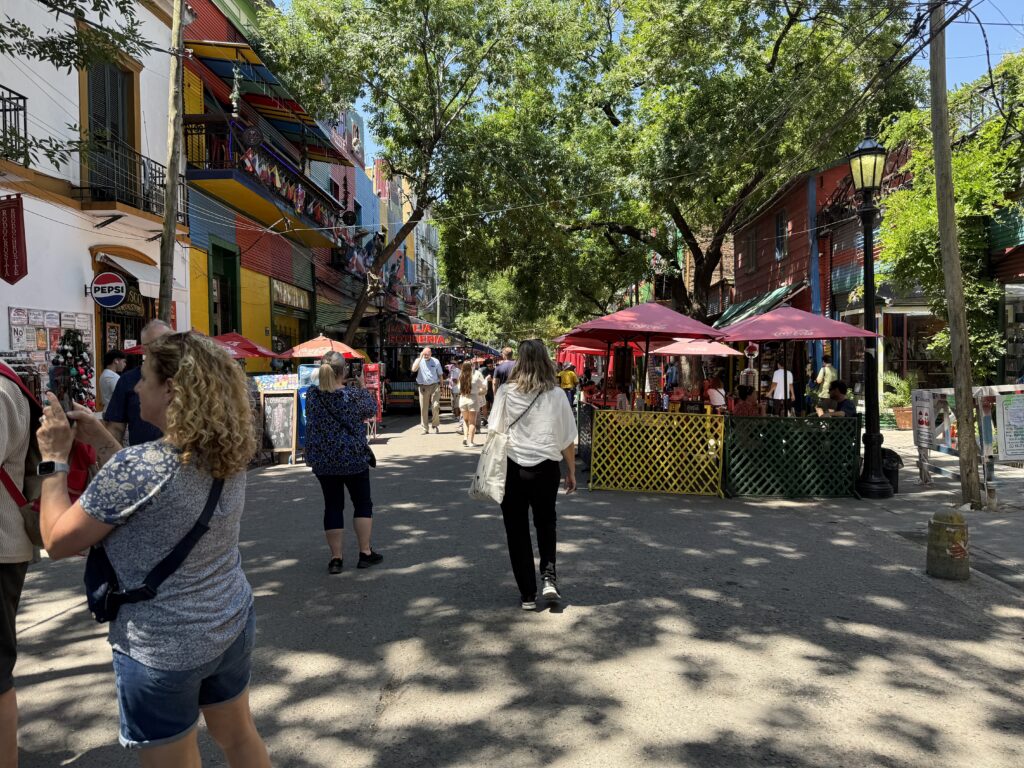
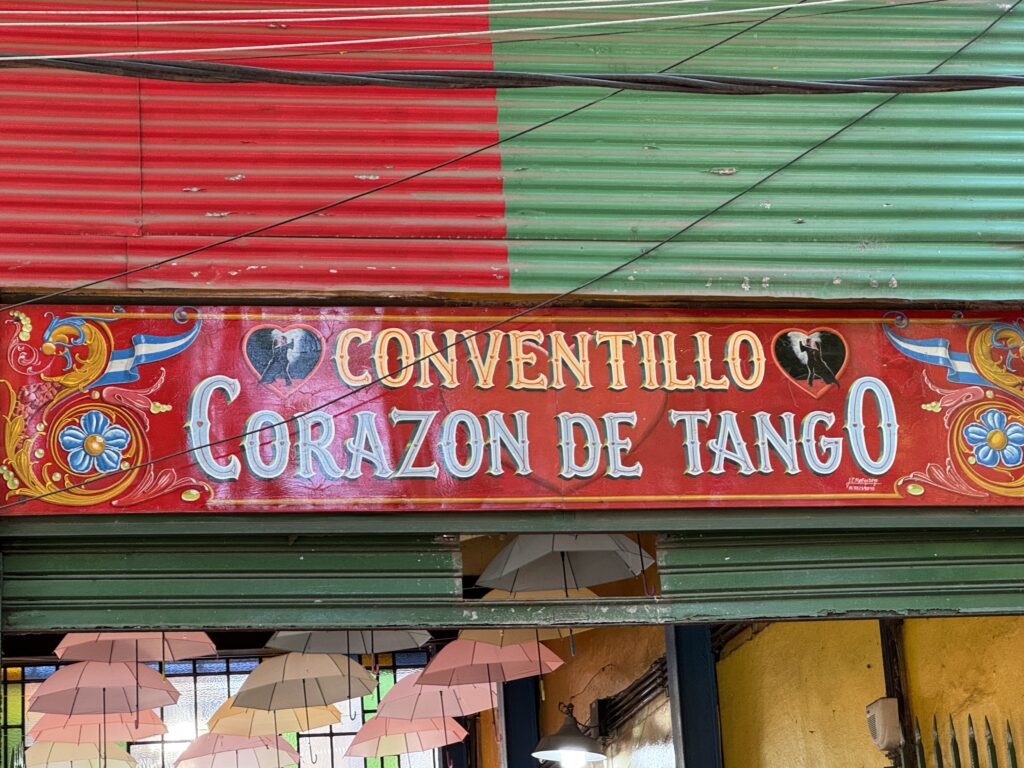
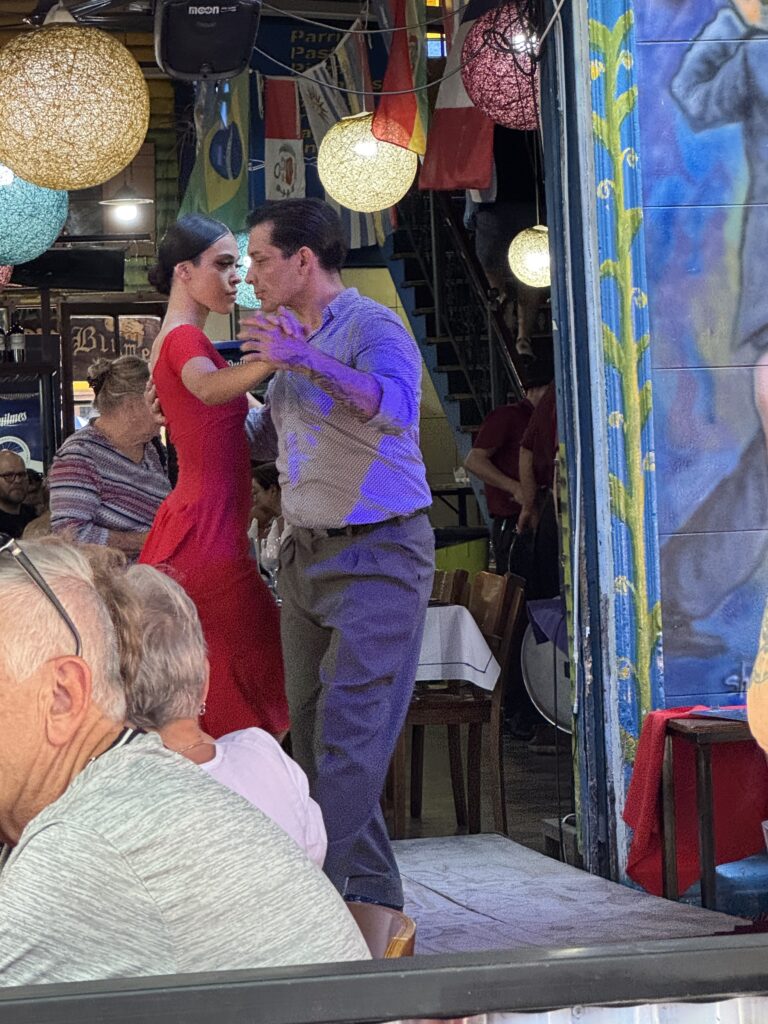
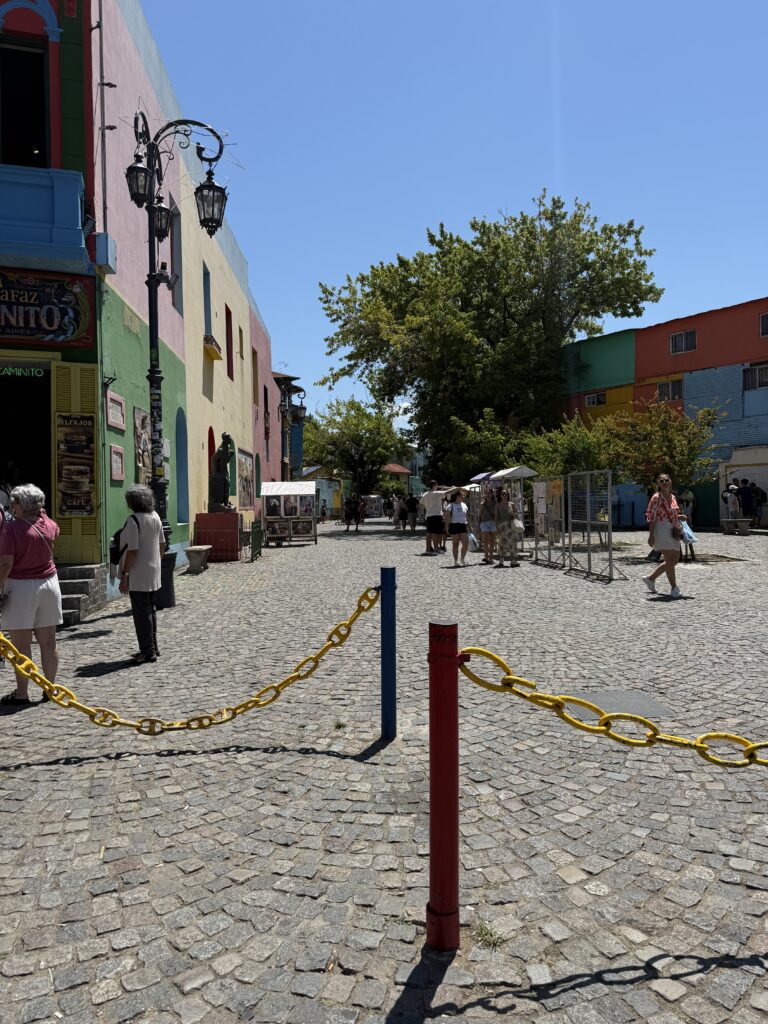
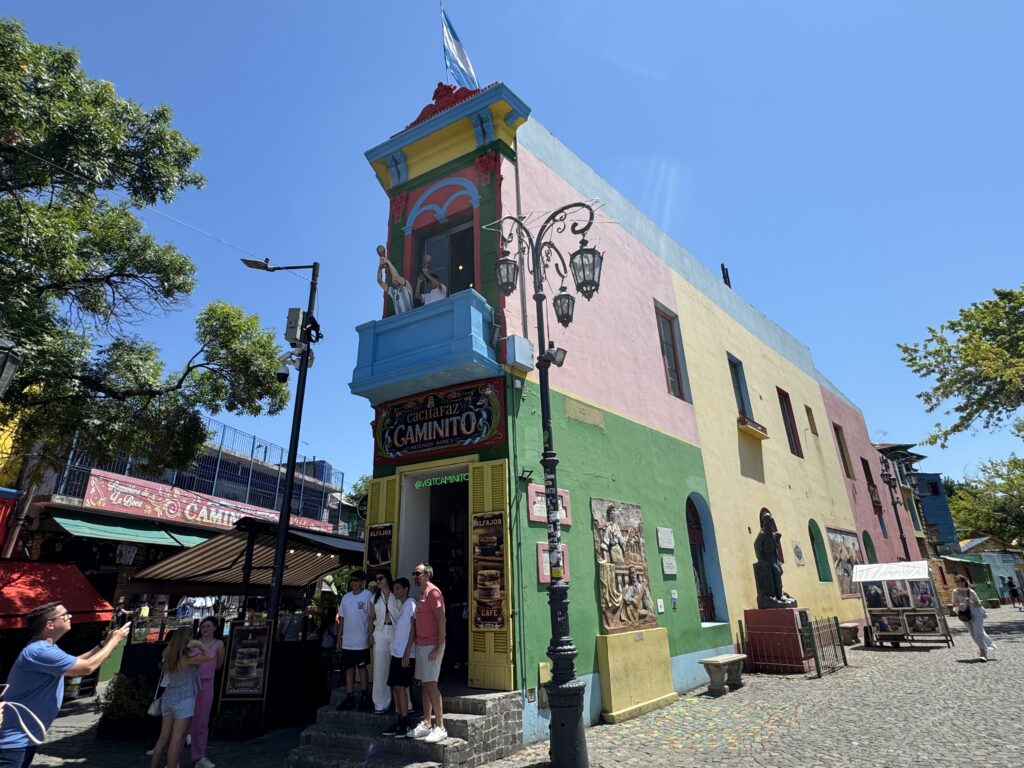
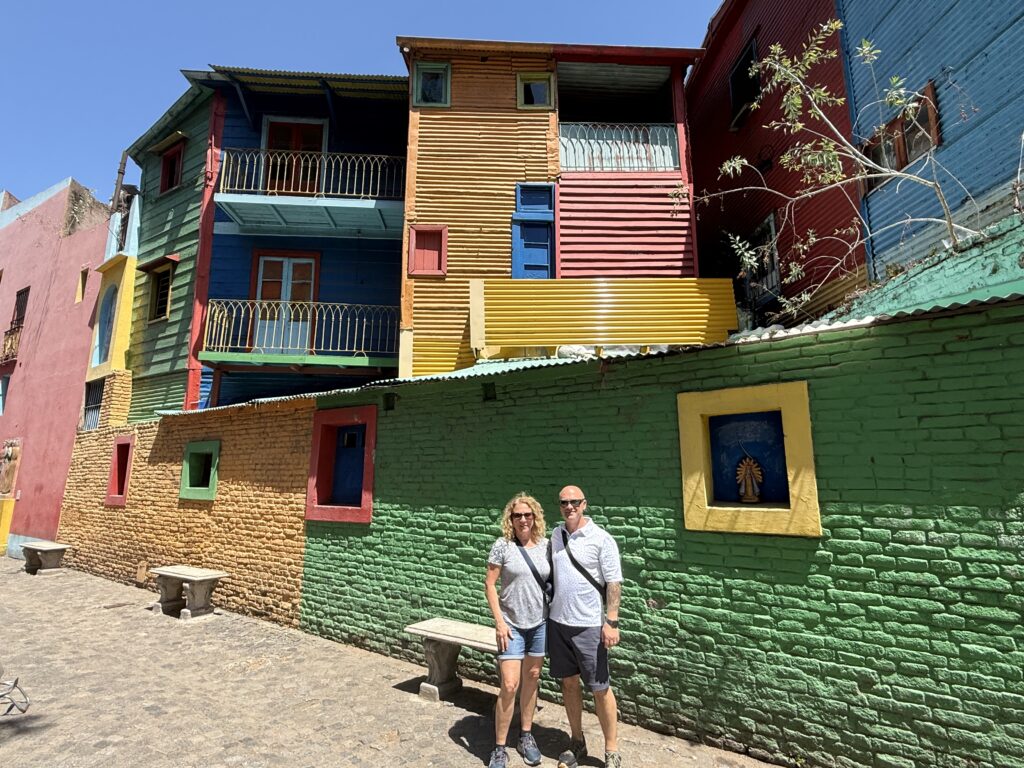
John getting one last photo by the Splendor before we start our land tour to the Iguazu Falls….we will see her again in November 2026 for a cruise in the Caribbean Lisa in front of the “Floralis Generica”. It is a steel and aluminum sculpture in United Nations Square in Buenos Aires. It was designed by Argentine architect Eduardo Catalano and gifted to the city in 2002. It is 75 feet high and weighs 18 tons! It has hydraulics and photoelectric sensors that are supposed to open the petals at 8am and close them at sunset, but the system was damaged in a storm in 2023 and is still under renovation.This monument is named El Abuelo Immortal ( The Immortal Grandfather) located in the Plaza Grand Bourg. It depicts the national hero and liberator of Argentina, General José de San Martín surrounded by his two granddaughters, María Mercedes and Josefa Artistic.This is the Monumento a Eva Perón (Monument to Evita) located in Plaza Evita. It stands on the exact grounds of the former Unzué Palace, which served as the official presidential residence during Juan Perón’s administration and is the location where Eva Perón passed away in 1952. Eva was an incredibly influential Argentine politician, activist, and actress who served as the First Lady of Argentina from 1946 until her tragic death from cervical cancer in 1952 at just 33 years old. She is buried at the famous Recoleta Cemetery which we toured twice on this trip.This is Café La Biela, one of the most famous and historic “Bar Notables” in Buenos Aires, located in the heart of the Recoleta neighborhood. The two life-size figures flanking the historic red British-design pillar post box represent the legendary Argentine racing driver brothers, Óscar Alfredo Gálvez (holding the helmet) and Juan Gálvez (waving). They were massive icons of Argentine Turismo Carretera (TC) motorsport racing during the 1940s and 1950s.We toured the Recoleta Cemetary with a guide this time. This green monument is the tomb of Admiral Guillermo Brown (born William Brown), a national hero and the celebrated founder of the Argentine Navy.This imposing marble monument is the tomb of Pedro Eugenio Aramburu, a highly controversial military officer who served as the de facto President of Argentina from 1955 to 1958.This grand, circular-topped structure is the Leloir Family Mausoleum, one of the tallest and most visually spectacular tombs inside Recoleta Cemetery. Inside the open-air columns at the top, is striking, shimmering gold mosaic ceiling that depicts Christ rising into the heavens.Here is the Duarte Family Mausoleum, which is the final resting place of Eva Perón. Unlike the massive, freestanding monuments of other wealthy Argentine dynasties, her family’s tomb is relatively modest and tucked down a narrow side alley, and is instantly recognizable by the crowds and fresh flowers left daily.The bronze commemorative plaques affixed to the exterior of the Duarte Family Mausoleum, dedicated to Eva Perón.This is the interior of the Mausoleum of Rufina Cambaceres, which hosts a famous, chilling, and tragic urban legend of Argentina. Rufina Cambaceres was a beautiful young socialite from a wealthy patrician family. In 1902, while getting ready for a high-society gala on her 19th birthday, she suddenly collapsed and was found without a pulse. Doctors quickly pronounced her dead from sudden heart failure, and she was interred inside the family vault. A few days later a cemetery caretaker noticed that the heavy coffin lid inside the vault had been displaced and slightly broken. Fearing grave robbers, family members opened the casket. To their horror, they reportedly discovered fresh scratch marks on the inside of the lid and on poor Rufina’s face, revealing she had actually suffered a severe cataleptic fit—a temporary coma-like state that mimicked death. She had tragically awakened underground inside her coffin and died for real from the sheer panic and asphyxiation of trying to escape.This is the famous tomb of Liliana Crociati de Szaszak, another heartbreaking but entirely different tragedy of Recoleta Cemetery. 26-year-old Liliana died while on her honeymoon in Innsbruck, Austria, in 1970. A massive avalanche struck her hotel room, suffocating her in her sleep. According to local legend, thousands of miles away in Buenos Aires, her loyal dog Sabatini passed away at the exact same hour. Her grief-stricken father could not bear to separate them, so he commissioned this bronze monument of the pair. If you look closely at the statue during your visit, you will notice that the dog’s snout is highly polished and gleaming. It has become a popular tradition for visitors to rub Sabatini’s nose for good luck and eternal fidelity.After our tour of the cemetery, we walked over to the Basilica de Nuestra Senora del Pilar (Basilica of Our Lady of the Pillar). Completed in 1732 by the Franciscan Recollect friars, it stands as the second-oldest surviving church in Buenos Aires.A close-up view of the High Altar (Altar Mayor) inside the Basílica. The brilliant silver panel covering the lower altar table is one of the basilica’s greatest artistic treasures. It was hand-hammered in Alto Perú (modern-day Bolivia) by indigenous master artisans using silver sourced from the famous mines of Potosí.Next we briefly visited El Ateneo Grand Splendid, widely considered one of the most beautiful bookstores in the world. It originally opened in 1919 as the Teatro Grand Splendid, a majestic 1,050-seat venue designed by architects Peró and Torres Armengol. It hosted legendary tango icons like Carlos Gardel and later became a cinema that showed Argentina’s first sound films. In 2000, it faced demolition due to poor economic times but was leased by Grupo Ilhsa, which beautifully retrofitted the historic layout into a flagship multi-story bookstore.The ceiling dome fresco inside was painted in 1919 by the Italian-Argentine artist Nazareno Orlandi. Painted right at the conclusion of World War I, the fresco is a powerful allegory for world peace. The central figure in the lower crowd scene, shows a serene woman siting enthroned on a cloud representing Peace, surrounded by representatives of the various nations involved in the conflict.Of course no major world city is complete without a KFC and Burger King. There will also, of course, be a McDonald’s not too far away.This picture looks across Plaza de Mayo, the oldest and most historically significant public square in Buenos Aires.At the center of Plaza de Mayo, is the historic Pirámide de Mayo (May Pyramid) monument. Built in 1811, it is the oldest national monument in Buenos Aires. It was erected to celebrate the first anniversary of the May Revolution, which started Argentina’s journey toward independence from Spain. The white obelisk is topped by a beautiful liberty cap statue representing the Allegory of Liberty, crafted by French sculptor Joseph Dubourdieu.A better view of the Piramide de Mayo. At the base of the white obelisk spire, you can read the deeply carved inscription: “25 MAYO 1810”. This marks the May Revolution date when Argentina formed its very first local governing assembly. The white colonial building on the right with the central bell tower and double-layered arches is the Buenos Aires Cabildo. Built in 1610, it served as the seat of the Spanish colonial administration. It is the exact birthplace of Argentine democracy, where citizens gathered in May 1810 to overthrow the Spanish Viceroy.In the other end of the Plaza de Mayo is the iconic Casa Rosada (The Pink House), the official executive mansion and office of the President of Argentina.Here is a more close up picture of the Pink House with the Monumento a Manuel Belgrano standing in the foreground. The equestrian bronze statue honors General Manuel Belgrano, one of the ultimate founding fathers of Argentina and the brilliant military lawyer who created the Argentine National Flag in 1812. The base of the monument is covered in thousands of stones.In August 2021, thousands of Argentinians participated in the Marcha de las Piedras (March of the Stones). Family members walked to the Plaza de Mayo to protest the government’s strict pandemic handling and to lay down stones in memory of loved ones lost to COVID-19.The columned building is the Catedral Metropolitana de Buenos Aires (Buenos Aires Metropolitan Cathedral).Inside is the massive central nave and high altar.The heavily guarded Mausoleum of General José de San Martín, the most sacred historical site inside the Catedral Metropolitana. The three life-sized marble statues standing around the base represent the personified nations he liberated from Spanish rule: Argentina, Chile, and Peru.
The guards in blue and red uniforms are active members of the Regimiento de Granaderos a Caballo (Mounted Grenadiers Regiment).
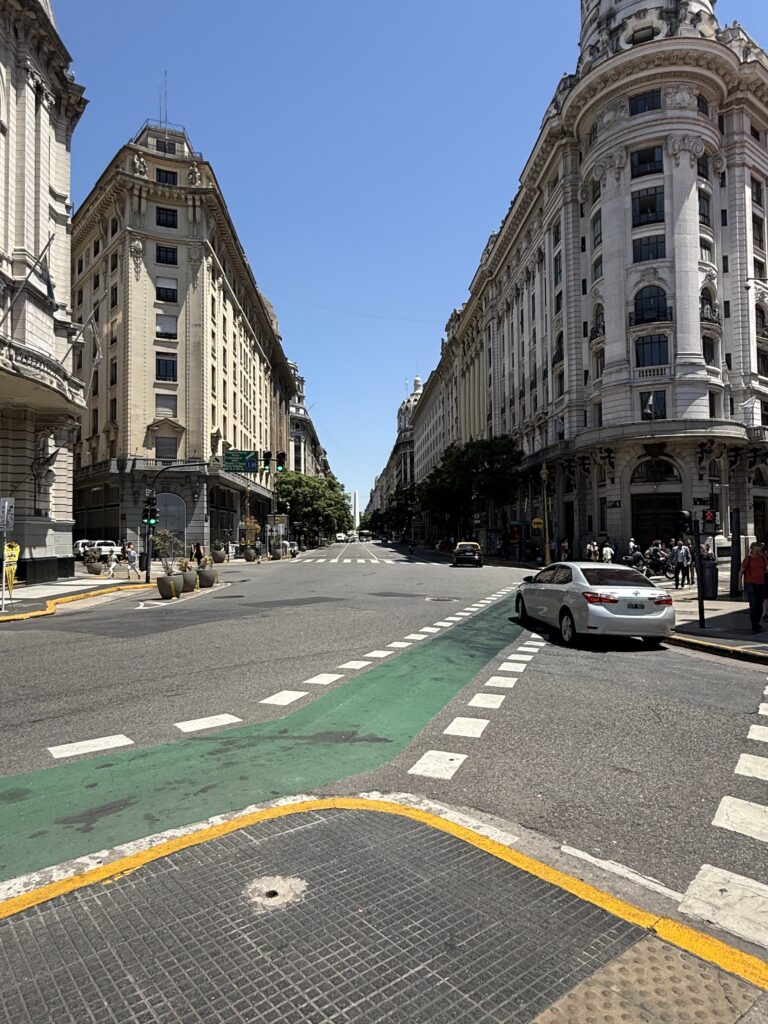
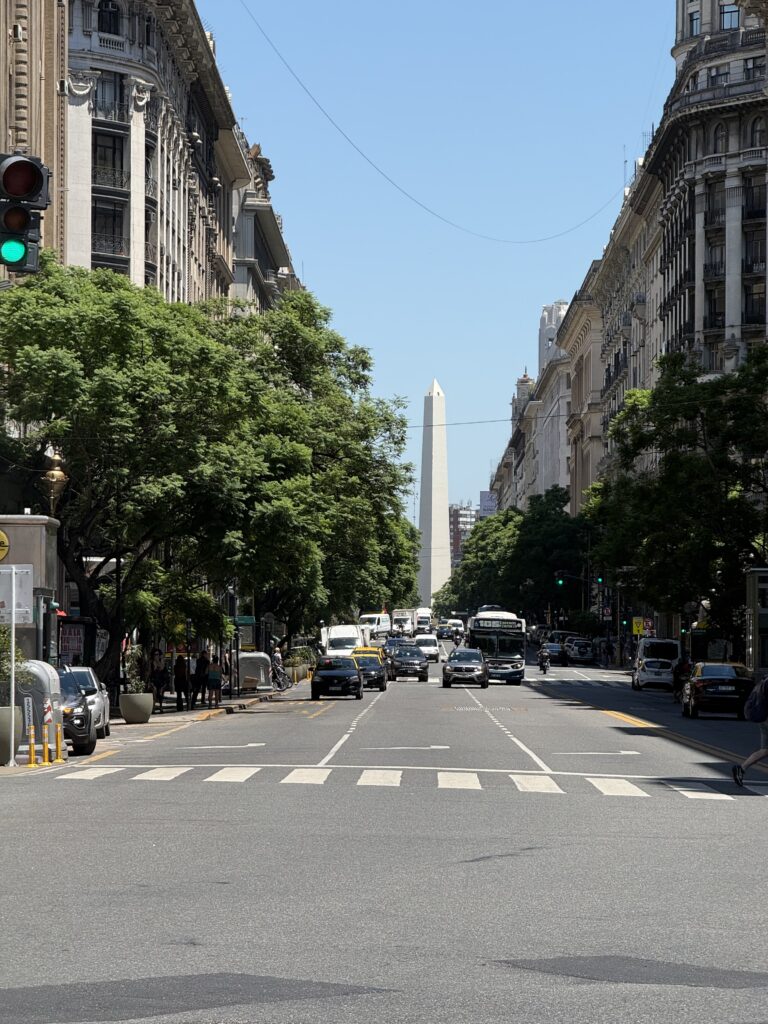
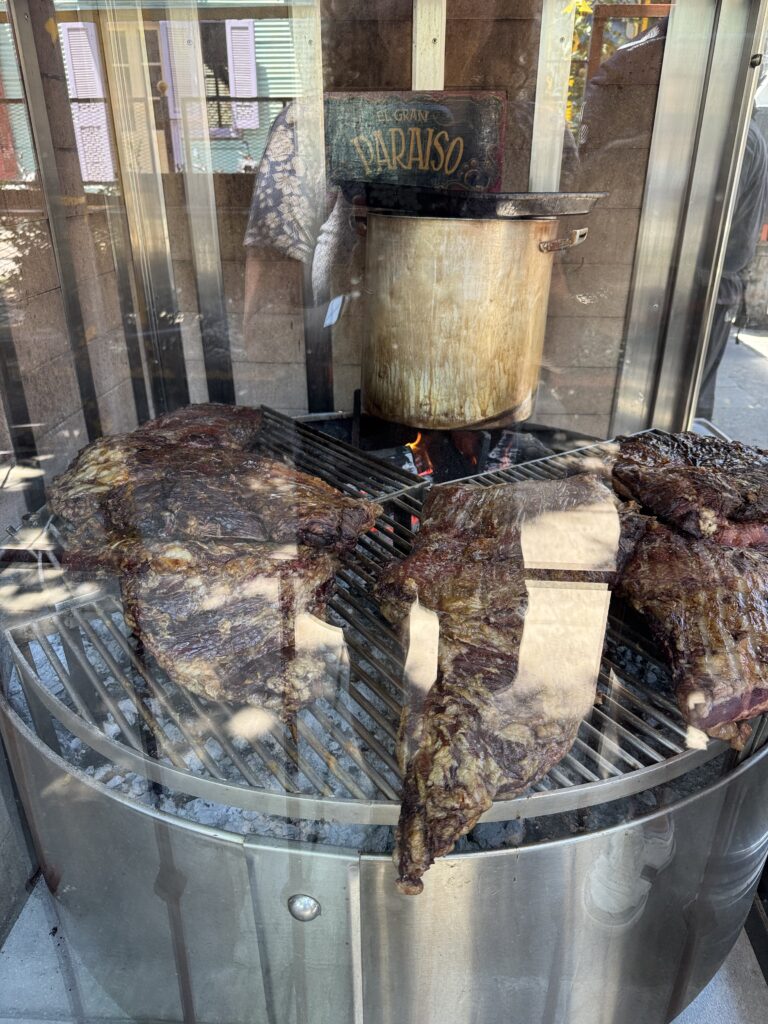
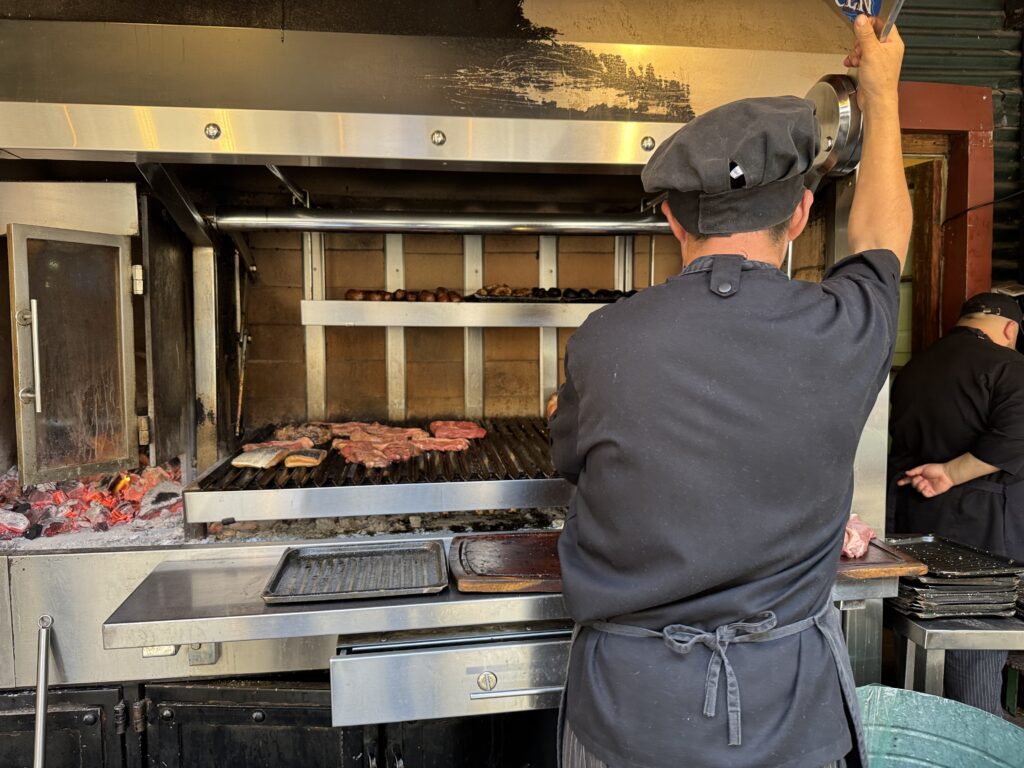
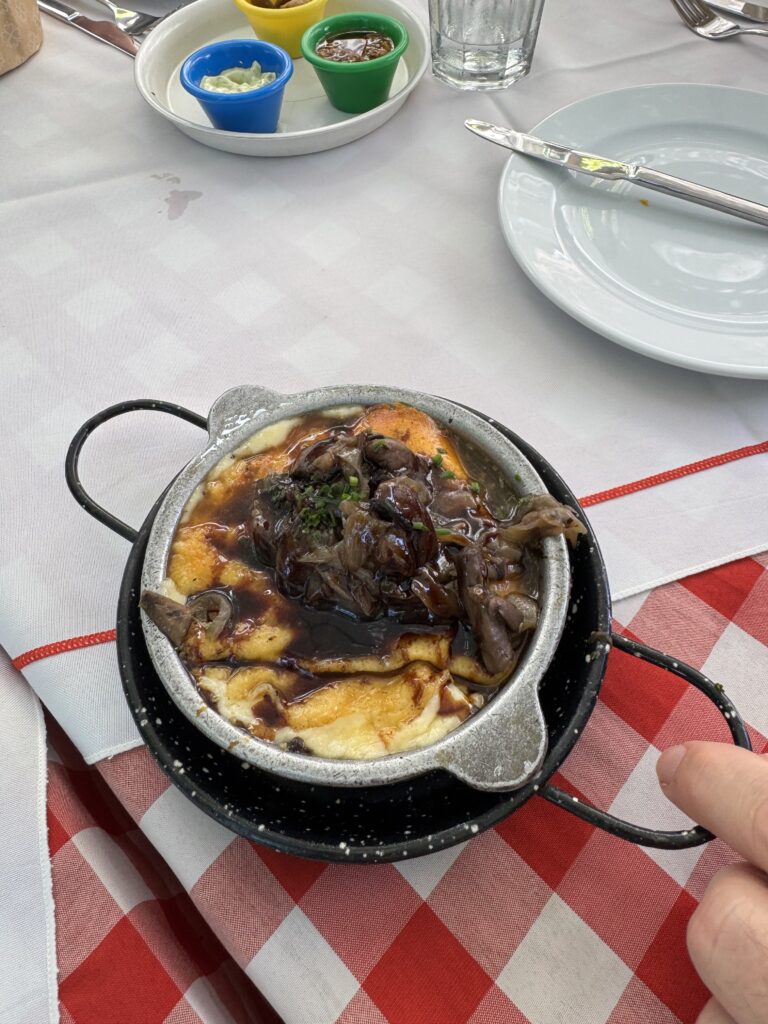
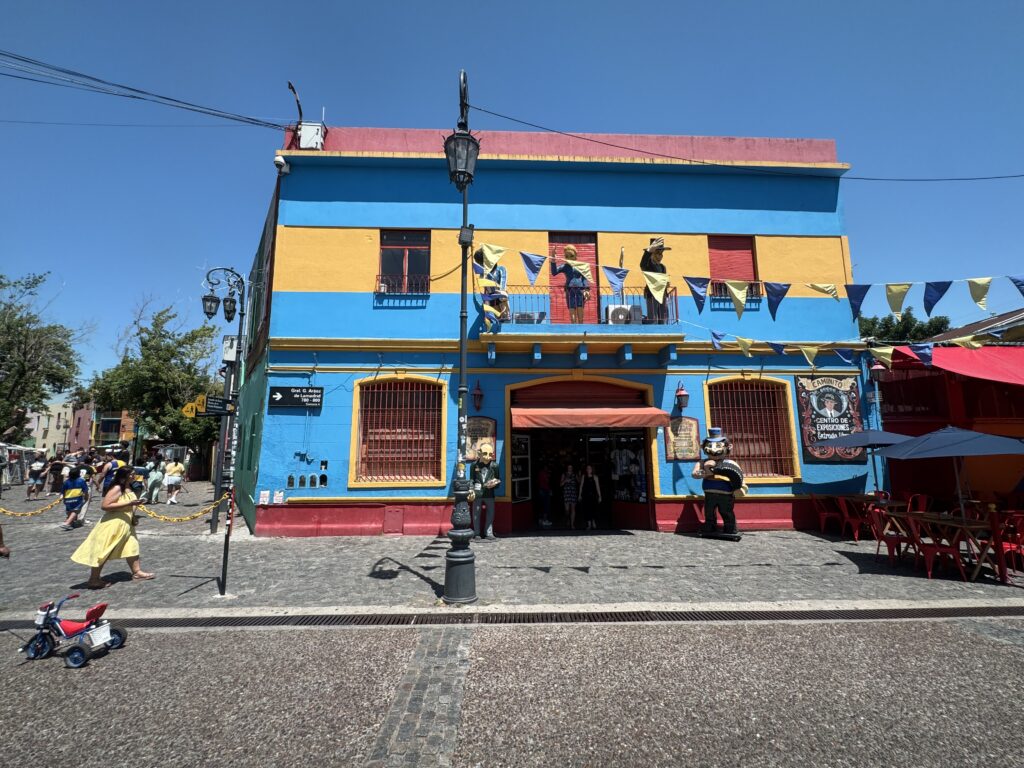
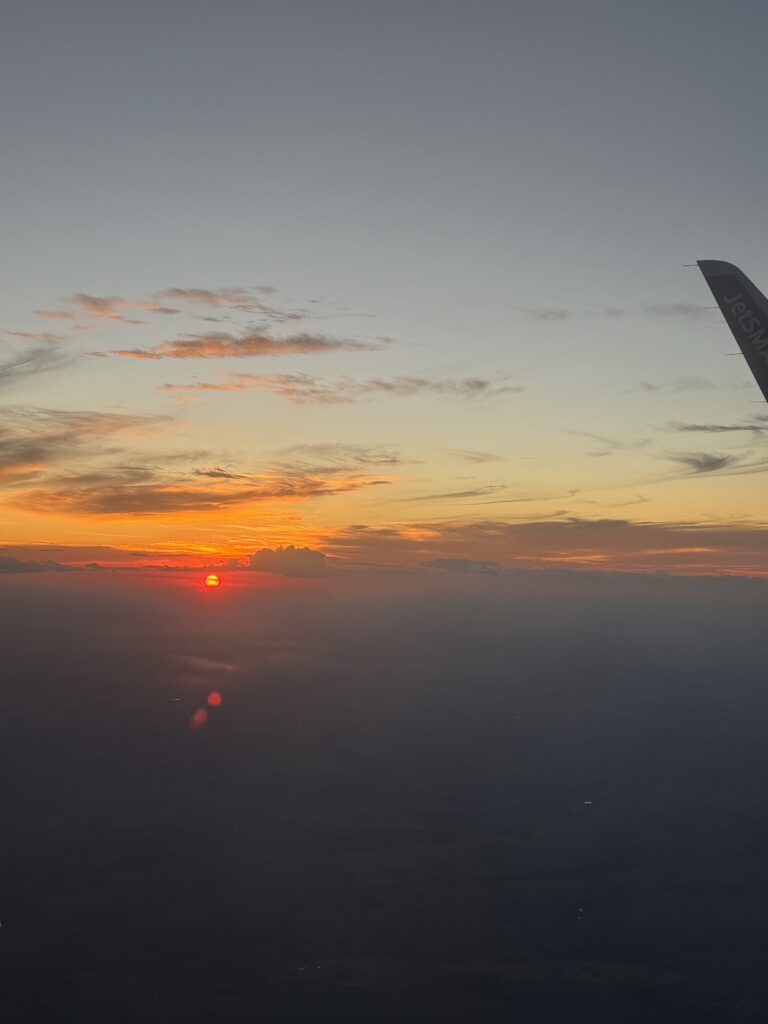
Looking down Avenida Presidente Roque Sáenz Peña, commonly referred to by locals as Diagonal Norte towards the iconic Obelisco de Buenos Aires.The Monument: Erected in 1936, this 67.5-meter (221-foot) concrete obelisk is the ultimate national symbol of Argentina.For lunch after all our city touring we ate at El Gran Paraiso in the vibrant, colorful neighborhood of La Boca. We sat in the open-air courtyard for a classic Argentine asado (barbecue).Here is looking through the glass at a traditional Argentine parrilla (barbecue grill)This is the master parrillero (grill chef) managing the main cooking station. On the far left is the Brasero, the active fire station where raw wood and charcoal burn down into bright orange, glowing embers. The chef rakes these hot coals flat underneath the cooking grates as needed to control the temperature. The chef is reaching up to turn a massive iron wheel mechanism. This allows him to effortlessly raise or lower the entire cooking frame above the coals to adjust how fast the steaks sear.We ordered a classic provoleta (grilled provolone cheese), but with a fantastic gourmet twist.We also ordered a traditional parrillada (mixed grill platter). The meat is served inside a brasero de mesa (portable tabletop grill). The black metal box underneath holds a small layer of live, glowing embers raked from the kitchen to keep the steak cuts hot, sizzling, and cooking evenly throughout the meal.After lunch we walked around a bit in La Boca. Pretty painted buildings.Tango is popular in Argentina!Very colorful neighborhood.After our day tour of Buenos Aires we jetted off to Iguazu!Our dinner after arriving at the JL Hotel. Looks good, and it was!